
Precision microsurgery for aneurysms, AVMs, and vascular lesions—performed by Dr. Arijit Chakraborty at Snayu Neuro, Kolkata.

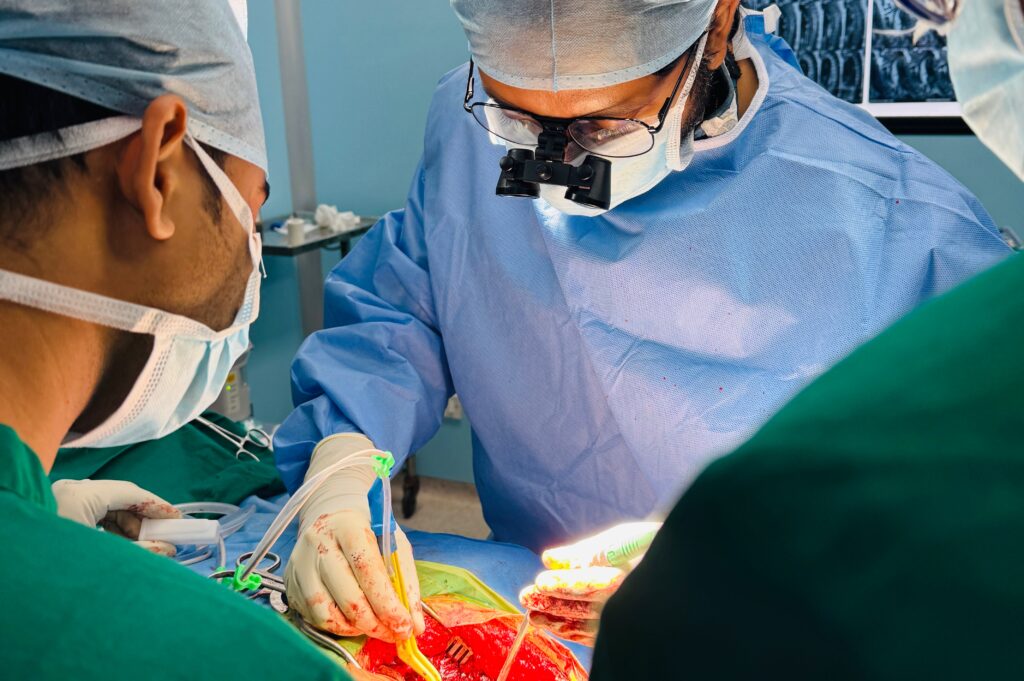
Cerebrovascular skull base surgery involves complex microsurgical procedures to treat abnormal blood vessels—like aneurysms and arteriovenous malformations (AVMs)—that occur near critical brain regions. These conditions pose serious risks, including stroke, hemorrhage, or sudden neurological decline. At Snayu Neuro, Dr. Arijit Chakraborty leads a specialized team in treating these conditions using advanced skull base access and intraoperative neurovascular tools.
This procedure is vital for patients with:
Diagnosed or ruptured brain aneurysms
AVMs in or near skull base areas
Cavernomas and vascular malformations
Failed endovascular (coiling/embolization) treatment
Recurrent bleeding or stroke symptoms
Complex aneurysms near optic nerves, brainstem, or Circle of Willis
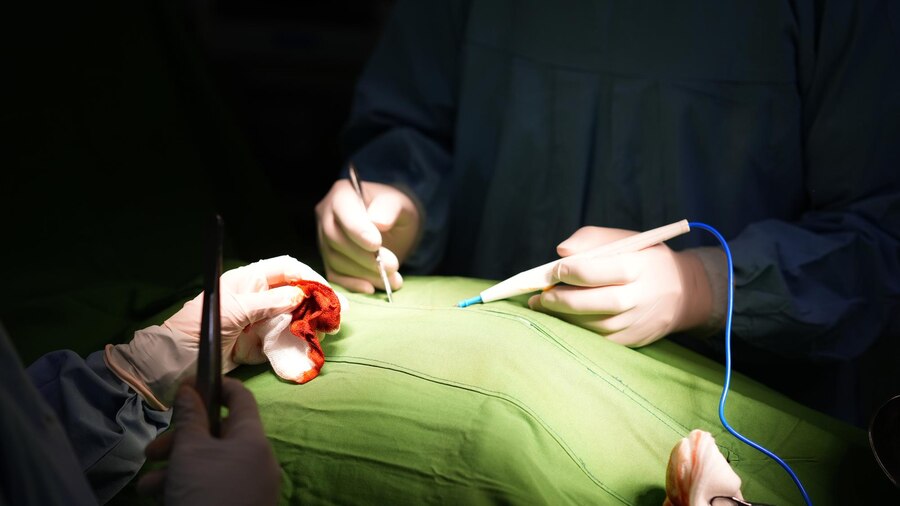
Intracranial Aneurysms (Anterior Communicating Artery, MCA, ICA, PICA)
Skull Base AVMs (including deep basal ganglia and thalamic locations)
Cavernous Malformations
Fusiform and Giant Aneurysms
Brainstem AVMs
Post-hemorrhagic vascular anomalies
Under Dr. Arijit Chakraborty’s guidance, Snayu Neuro brings:
Decades of microsurgical experience
Advanced intraoperative navigation & neuromonitoring
Collaboration with interventional neuroradiology for hybrid care
High success rates in complex vascular cases
Preoperative Imaging: DSA (Digital Subtraction Angiography), MRI, and CT Angiogram.
Customized Surgical Plan: Choice of approach—pterional, subtemporal, or retrosigmoid craniotomy—based on lesion location.
Neurovascular Monitoring: Continuous monitoring of brain and cranial nerve function during surgery.
Post-Clipping/AVM Removal Scan: To confirm complete obliteration.
Full neurovascular evaluation with imaging
Blood pressure control and medication planning
Counseling with Dr. Chakraborty on procedural risks and outcomes
Admission 1 day prior for pre-op preparation
ICU Stay: 2–3 days with neurological observation
Hospital Stay: Usually 5–6 days
Post-op Imaging: Within 24–48 hours and again at 3 months
Home Rest: 2–4 weeks depending on the procedure
Rehabilitation: Provided if mild stroke or weakness is observed
Coiling is a non-surgical method via the blood vessels. Clipping is more permanent, especially for wide-neck aneurysms or when coiling fails.
In most cases, no. Blood pressure control is advised, and seizure prevention may be temporary.
While complex, our team at Snayu minimizes risks using high-end monitoring, planning, and ICU support.
Most patients return to basic daily activities in 2–3 weeks and work in 4–6 weeks.
Contact
Flat No. 003, Ground floor, Block A1, Islam, Jora Mandir, VIP Enclave, Kazi Nazrul Islam Ave, Raghunathpur, Baguihati, Kolkata, West Bengal 700059
Locate Us
© Copyright 2025 Snayu Neuro | Created by AnyDigi
