
Microscopic lumbar decompression and stabilization by Dr. Arijit Chakraborty—targeted treatment for chronic back pain, sciatica, and nerve compression.


Microscopic lumbar decompression and fixation is a highly specialized procedure that relieves pressure on compressed spinal nerves caused by degenerative spine conditions. Using a surgical microscope and precision tools, the affected nerves are decompressed and, if needed, the spine is stabilized using screws and rods. At Snayu Neuro, this technique is performed with minimal tissue trauma, ensuring quicker recovery and better long-term results.
You may be a candidate for microscopic decompression and fixation if you experience:
Severe lower back pain radiating to the legs
Sciatica or foot numbness
Difficulty walking due to nerve compression
Weakness or muscle wasting in the legs
Loss of bladder or bowel control in emergencies (cauda equina syndrome)
No relief from physiotherapy, injections, or medication
Lumbar canal stenosis
Disc prolapse with nerve root compression
Degenerative spondylolisthesis
Foraminal stenosis
Facet joint arthritis
Lumbar instability or deformity
Better visualization of nerves and tissues
Smaller incision with less scarring
Quicker recovery and return to mobility
Preserves healthy tissue
High success rate for pain relief and function
Imaging & Planning: MRI/CT scans to identify the level and extent of compression
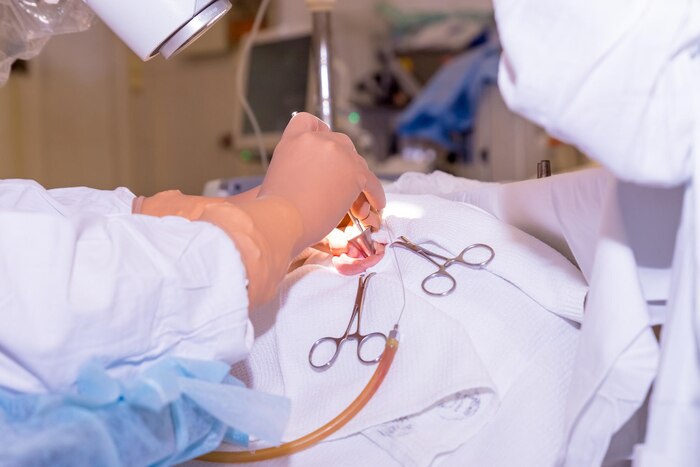
Microscopic Decompression: A small incision is made, and a high-definition microscope is used to safely remove bone or disc pressing on nerves
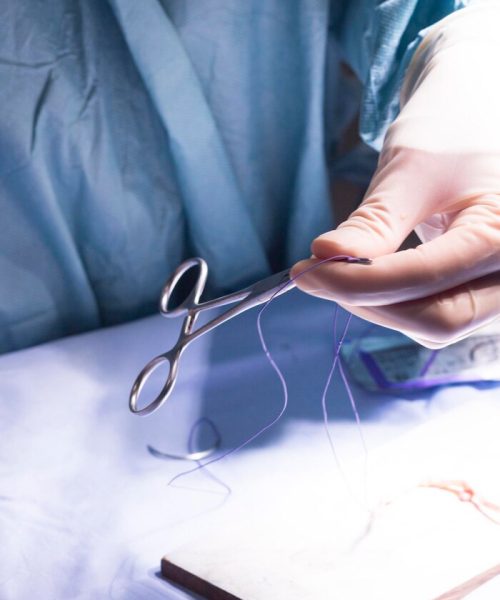
Stabilization (If Needed): Screws and rods are placed to support weak or unstable segments
Wound Closure: Muscle-sparing closure ensures faster healing
Preoperative blood work and spine imaging
Discussion of symptoms and surgical plan with Dr. Arijit Chakraborty
Anesthesia clearance
Fasting 8 hours before surgery
Admission on the day before or same day of procedure
Hospital Stay: 2–4 days depending on the complexity
Initial Mobilization: Assisted walking within 24–48 hours
Suture Removal: After 10–12 days
Home Rest: 2–3 weeks
Physiotherapy: Begins 2–3 weeks post-surgery
Return to Work: 4–6 weeks for desk jobs, longer for physical labor
No. This is a microscope-assisted surgery done with higher precision and better outcomes.
A lumbar belt is recommended for the first 4–6 weeks for added support.
Yes, unless there is a specific reason to remove them later.
With proper rehab and follow-up, most patients experience long-term relief.
Contact
Flat No. 003, Ground floor, Block A1, Islam, Jora Mandir, VIP Enclave, Kazi Nazrul Islam Ave, Raghunathpur, Baguihati, Kolkata, West Bengal 700059
Locate Us
© Copyright 2025 Snayu Neuro | Created by AnyDigi
