
Expert treatment of brain aneurysms—both open surgery and endovascular coiling—by Dr. Arijit Chakraborty at Snayu Neuro.
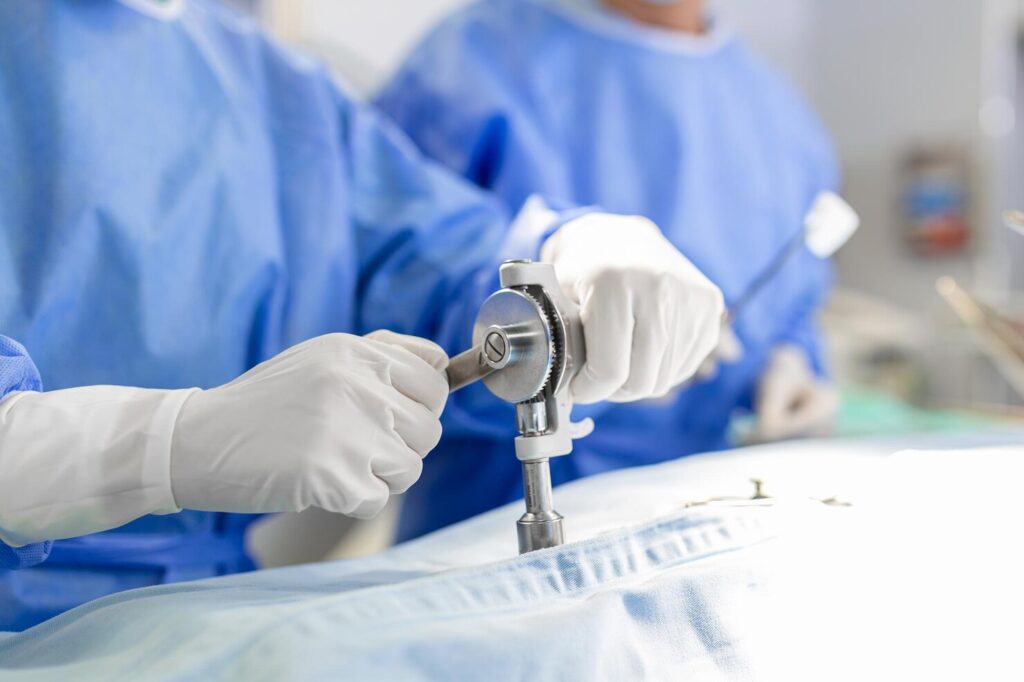
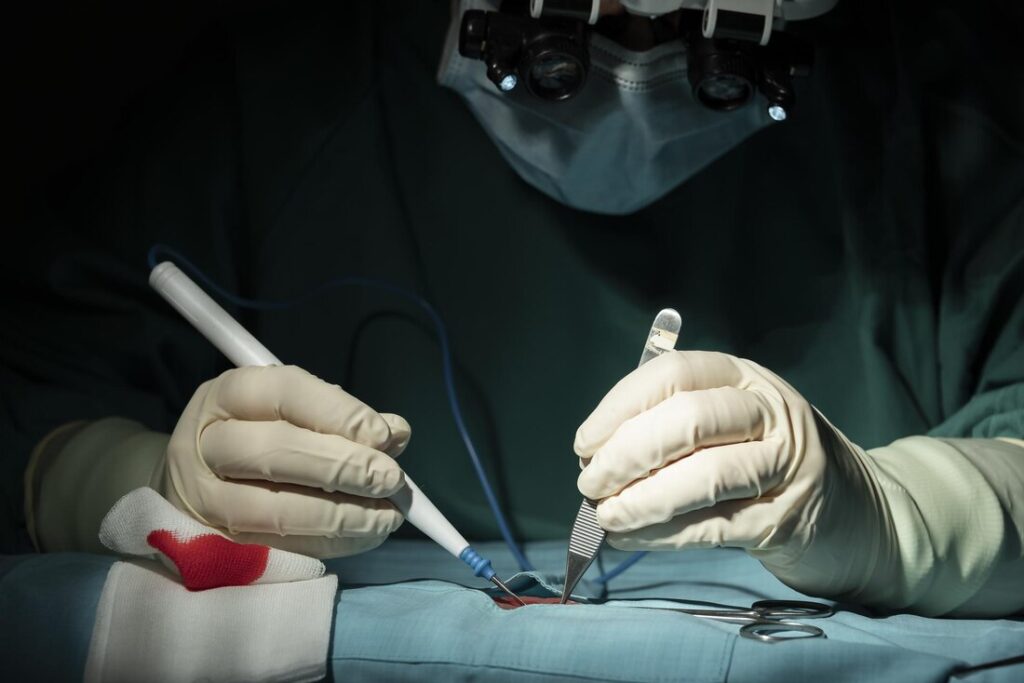
A brain aneurysm is a weakened, balloon-like bulge in a blood vessel in the brain. If left untreated, it can rupture, leading to life-threatening subarachnoid hemorrhage (SAH), stroke, or permanent brain injury. At Snayu Neuro, we offer both microsurgical clipping and endovascular coiling to seal aneurysms safely—often before they rupture. Each case is reviewed thoroughly to select the most effective, least risky approach.
You should see a neurosurgeon immediately if you or a loved one experiences:
Sudden, severe headache (“worst headache of life”)
Nausea, vomiting, neck stiffness
Blurred vision, sensitivity to light
Seizures or loss of consciousness
History of unruptured aneurysm found on imaging
Family history of brain aneurysms or polycystic kidney disease

Saccular (Berry) Aneurysms
Fusiform Aneurysms
Giant Aneurysms (>2.5cm)
Multiple Aneurysms
Posterior Circulation Aneurysms
Ruptured vs. Unruptured Aneurysms
Skilled in both open and minimally invasive aneurysm procedures
Advanced neuro-navigation and intraoperative tools
20+ years of microvascular surgical expertise with Dr. Arijit Chakraborty
Equipped neuro ICU for high-risk post-rupture care
Superior recovery outcomes with personalized protocols
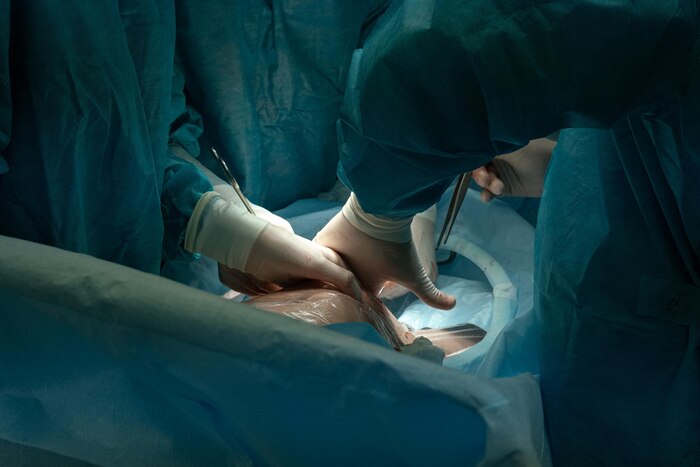
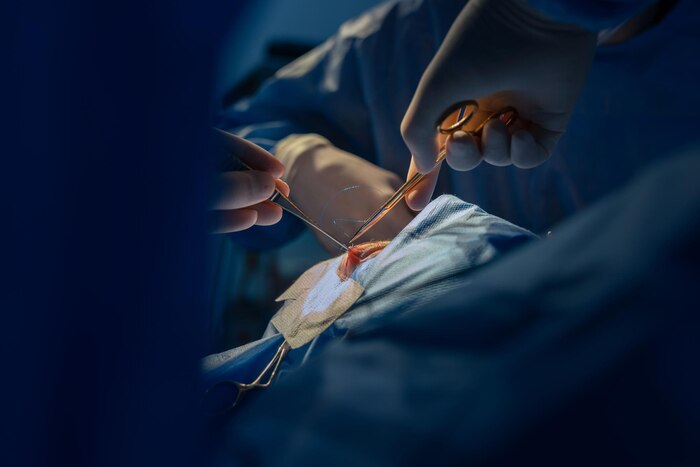
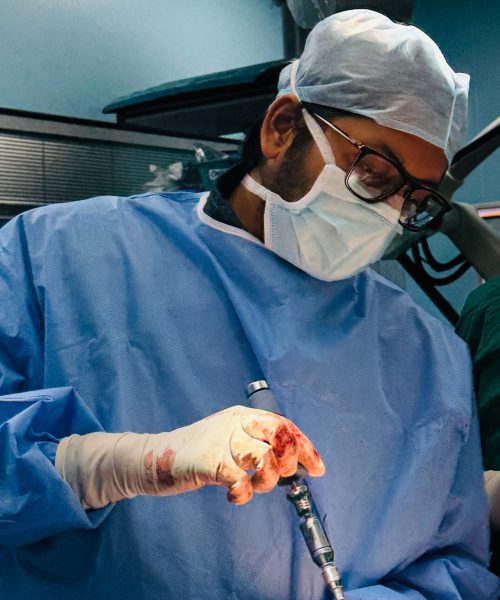
Microsurgical Clipping: A small titanium clip is placed at the base of the aneurysm to stop blood flow. Performed via craniotomy.
Endovascular Coiling: A catheter is inserted via the groin or wrist to fill the aneurysm with platinum coils, causing it to clot.
Stent-Assisted Coiling: For wide-necked or complex aneurysms.
Flow Diversion Devices: For giant or fusiform aneurysms not suitable for coiling.
Each method is chosen based on aneurysm location, shape, rupture status, and overall patient condition.
CT Angiography / Digital Subtraction Angiography (DSA)
Cardiac and renal function evaluation
Neurological examination and pre-anesthesia check
Family counseling with 3D imaging and treatment plan presentation
Clipping Surgery: 5–7 day hospital stay, 10–14 days for full home recovery
Coiling: Often discharged within 2–3 days
ICU Monitoring: First 24–48 hours post-procedure
Rehab: If rupture occurred, may need speech, mobility, and cognitive therapy
Follow-Up: Repeat imaging at 6 weeks, 6 months, and 1 year
Coiling is less invasive and preferred for certain aneurysm types, but not all. Dr. Chakraborty will decide based on risk and anatomy.
Small unruptured aneurysms may be monitored, but many require treatment to prevent rupture.
Yes. Follow-up angiography is essential to check for recurrence or coil compaction.
With prompt care at Snayu Neuro, survival is greatly improved, though recovery depends on initial brain damage.
Contact
Flat No. 003, Ground floor, Block A1, Islam, Jora Mandir, VIP Enclave, Kazi Nazrul Islam Ave, Raghunathpur, Baguihati, Kolkata, West Bengal 700059
Locate Us
© Copyright 2025 Snayu Neuro | Created by AnyDigi
