
Advanced carotid artery surgery and stenting by Dr. Arijit Chakraborty at Snayu Neuro—restoring blood flow and reducing stroke risk.

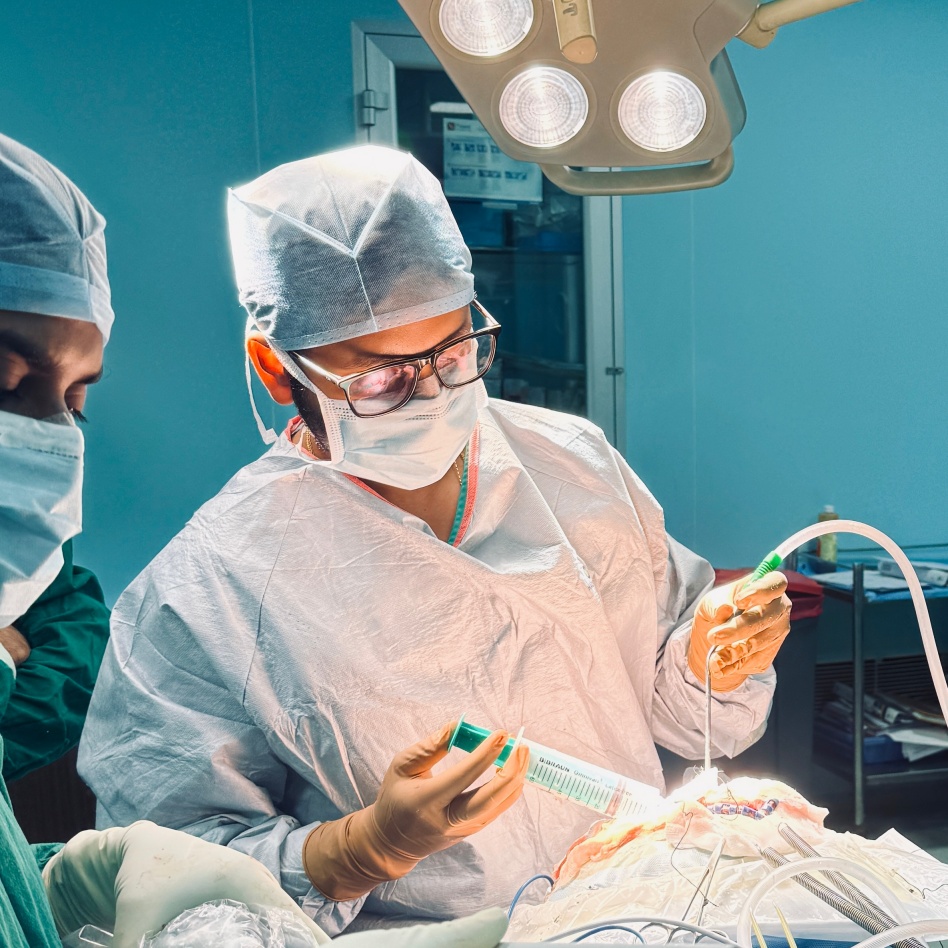
The carotid arteries, located in the neck, supply blood to the brain. When these arteries become narrowed or blocked by plaque buildup (atherosclerosis), they increase the risk of ischemic stroke—which can cause paralysis, speech loss, or death. At Snayu Neuro, we offer two proven treatments to restore blood flow: carotid endarterectomy (CEA) and carotid artery stenting (CAS).
You may need intervention if you:
Have had a mini-stroke (TIA) or full stroke
Are diagnosed with moderate to severe carotid stenosis (>50%)
Experience dizziness, vision changes, or one-sided weakness
Have risk factors like diabetes, smoking, hypertension, or high cholesterol
Show plaque or blood flow abnormalities on Doppler ultrasound or CT angiography
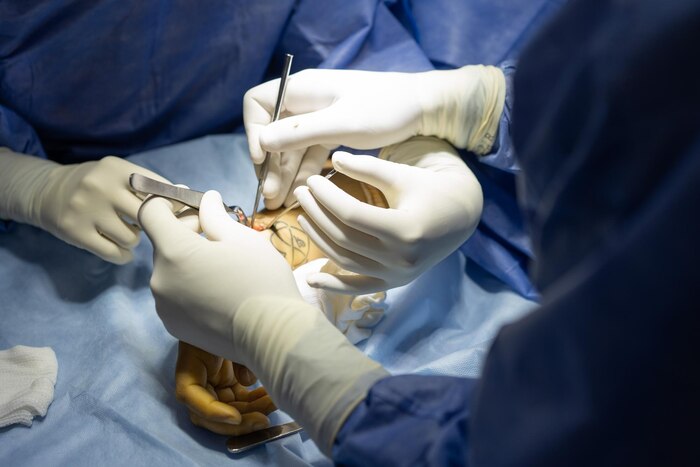
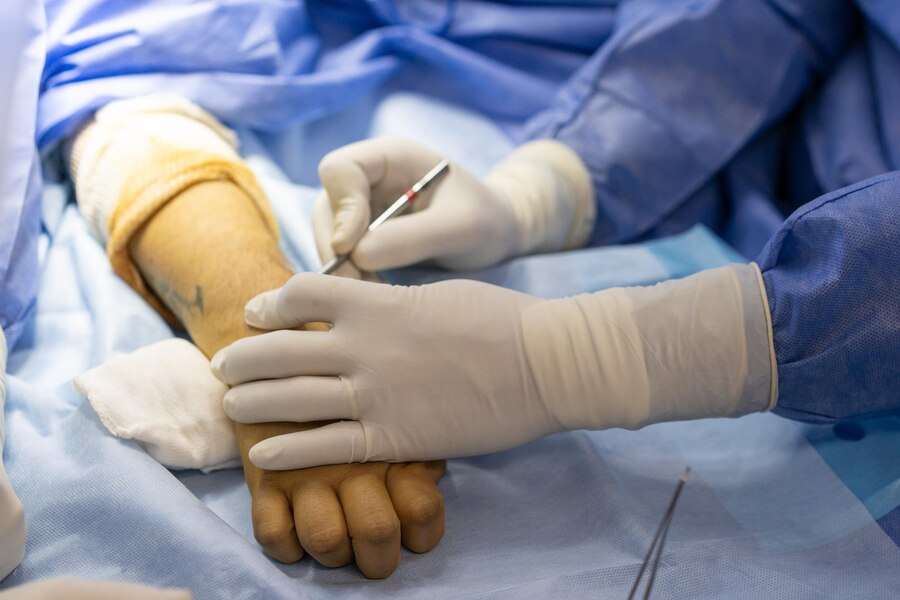
Carotid Artery Stenosis (50–99% narrowing)
Carotid Artery Dissection
Radiation-Induced Carotid Disease
Bilateral Carotid Narrowing
High-Risk Surgical Patients Needing Stenting
Neurosurgeon-led care by Dr. Arijit Chakraborty with expertise in neurovascular procedures
Advanced imaging and intraoperative neuro-monitoring
Personalized treatment—surgical or stent-based, based on patient risk and plaque anatomy
Focus on stroke prevention, not just treatment
Integrated care with cardiology, neurology, and neuro-ICU support
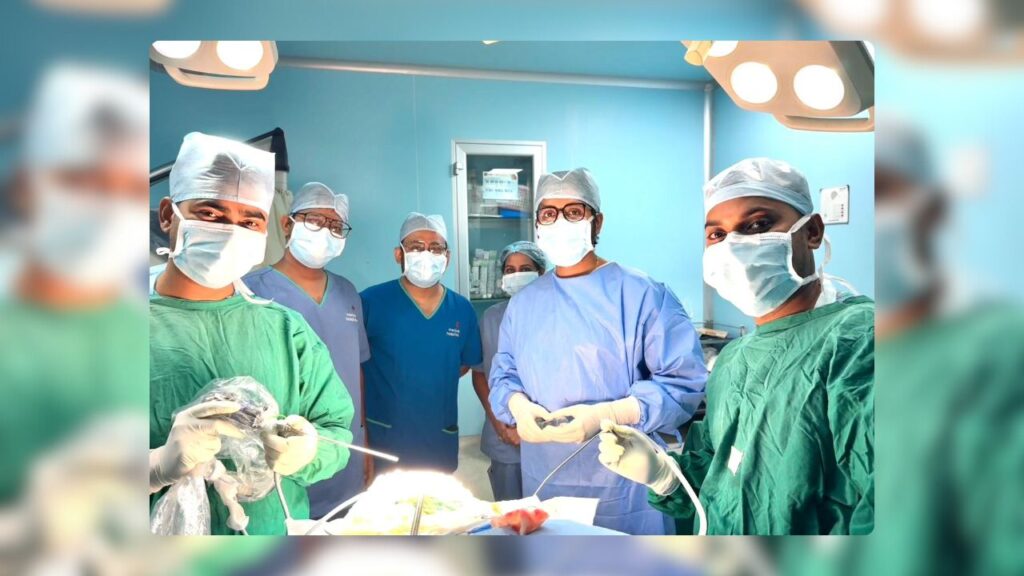
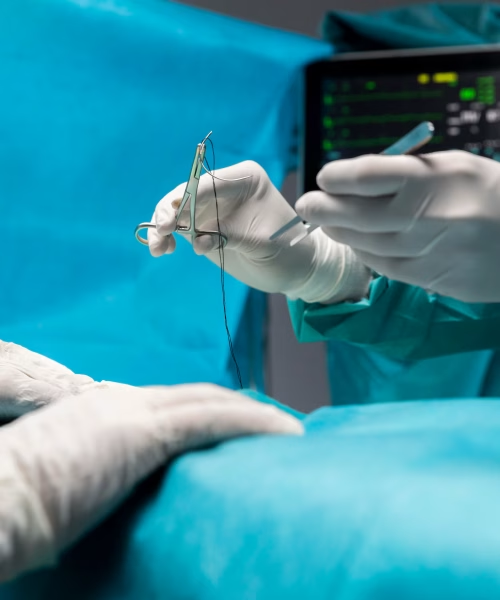
Carotid Endarterectomy (CEA): A surgical procedure that removes the inner plaque from the artery, restoring normal blood flow. Performed under local or general anesthesia.
Carotid Artery Stenting (CAS): A minimally invasive procedure where a stent is inserted via a catheter to keep the artery open. Often used in high-risk or elderly patients.
Hybrid Planning: For patients with combined carotid and intracranial vascular issues.
Carotid Doppler, CT/MR Angiography, or Digital Subtraction Angiography
Cardiology clearance and pre-op anesthesia fitness
Blood thinner management and risk discussion with the family
Dual antiplatelet therapy started prior to stenting (if chosen)
Endarterectomy: Hospital stay 2–3 days
Stenting: Usually 1-day admission or day-care basis
ICU Monitoring: Initial 12–24 hours
Return to Activity: 7–10 days post-surgery; sooner for stenting
Follow-Up Doppler: At 1, 3, and 6 months
Lifestyle Counseling: Diet, medications, exercise, and risk management
Stenting is preferred for high-risk or elderly patients; surgery is often better for younger or lower-risk individuals. Dr. Chakraborty chooses the safest path based on detailed evaluation.
With proper medication and lifestyle changes, restenosis is rare. Regular follow-ups help detect early signs.
It significantly reduces the risk, especially if done after a TIA or minor stroke.
Yes, usually dual antiplatelet therapy for a few months and long-term statin therapy.
Contact
Flat No. 003, Ground floor, Block A1, Islam, Jora Mandir, VIP Enclave, Kazi Nazrul Islam Ave, Raghunathpur, Baguihati, Kolkata, West Bengal 700059
Locate Us
© Copyright 2025 Snayu Neuro | Created by AnyDigi
