
Restore mobility and nerve function with expert cervical spine surgery by Dr. Arijit Chakraborty at Snayu Neuro.Microscopic lumbar decompression and stabilization by Dr. Arijit Chakraborty—targeted treatment for chronic back pain, sciatica, and nerve compression.
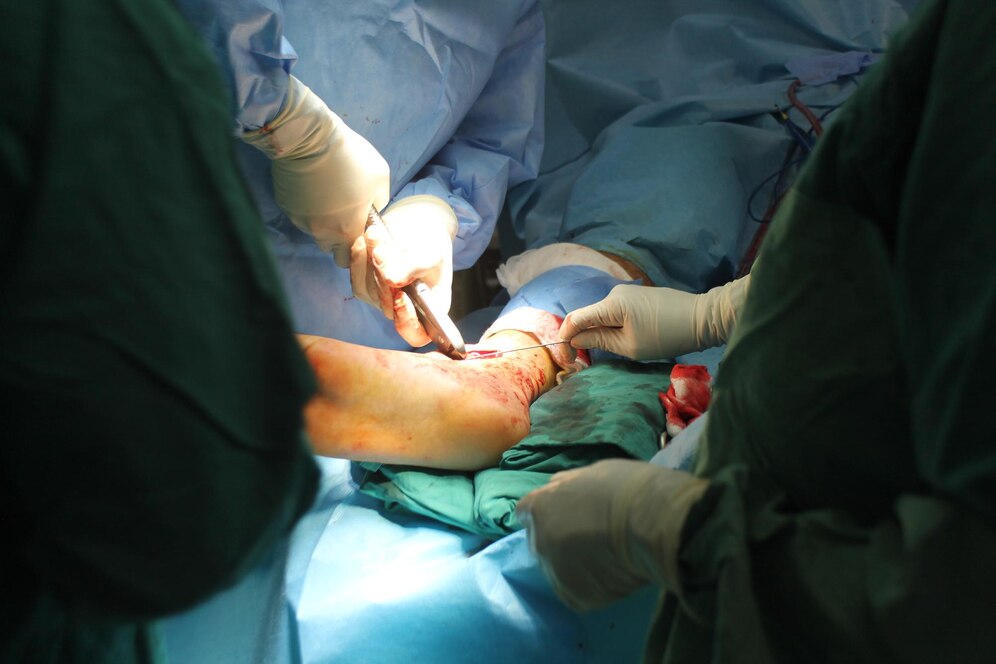
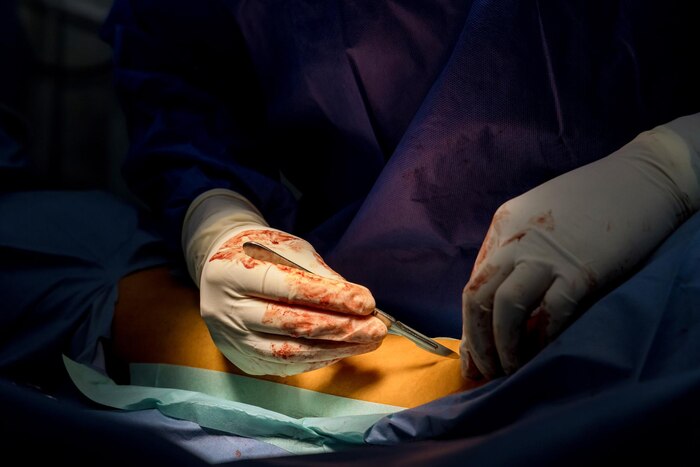
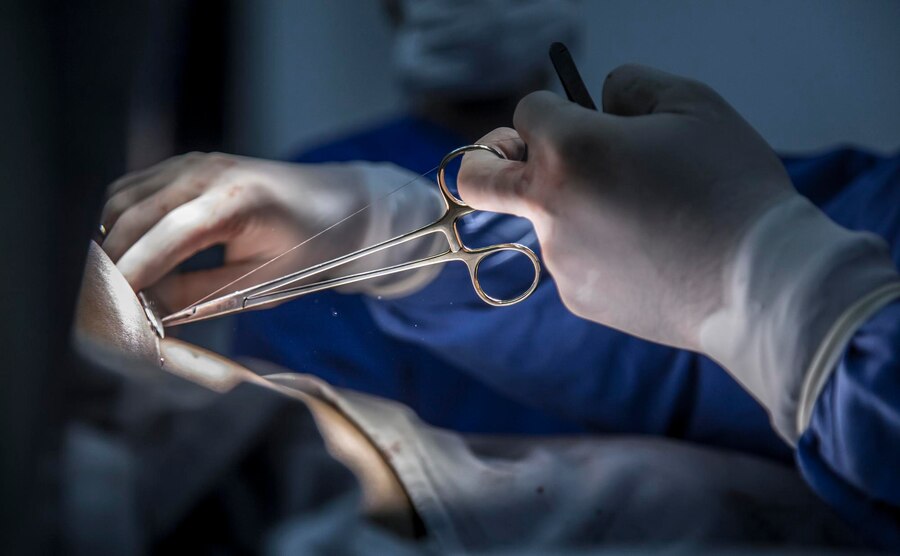
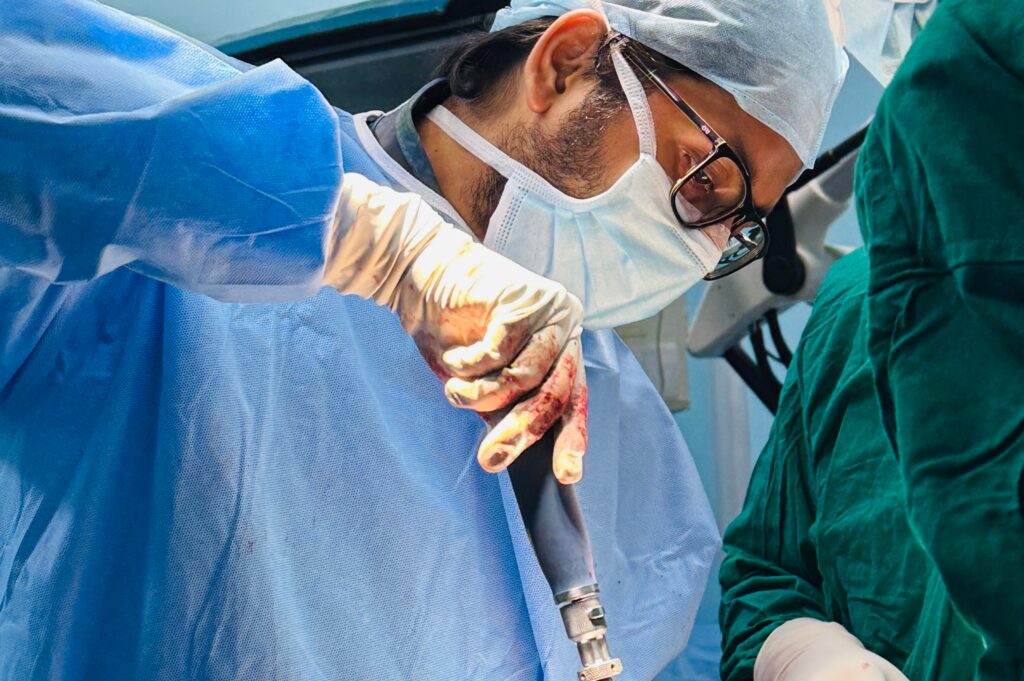
Minimally invasive cervical spine surgery treats compressed nerves or unstable spinal segments in the neck through small incisions and specialized instruments. This approach reduces trauma to surrounding tissues, preserves mobility, and accelerates recovery. At Snayu Neuro, we use cutting-edge techniques like anterior cervical discectomy and fusion (ACDF) or posterior foraminotomy to relieve pain and restore neurological function—safely and effectively.
Surgery may be required if you experience:
Persistent neck pain not responding to conservative treatment
Arm numbness, tingling, or weakness
Reduced grip strength or hand function
Difficulty balancing or walking (cervical myelopathy)
Radiating shoulder or upper limb pain
Herniated disc, osteophytes, or spinal instability in imaging
Cervical disc herniation
Cervical spondylotic myelopathy
Foraminal stenosis causing nerve root compression
Cervical radiculopathy
Cervical spine instability or trauma
Failed previous cervical spine surgery
Smaller incision, less blood loss
Quicker hospital discharge
Reduced pain and muscle damage
Precise nerve decompression
Faster return to work and daily activities
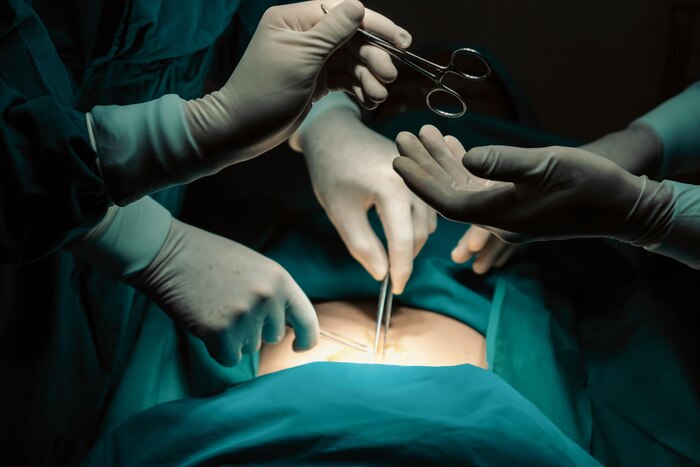
Anterior Cervical Discectomy & Fusion (ACDF): Removes damaged disc and stabilizes spine with a cage or plate
Posterior Cervical Foraminotomy: Decompresses nerve root through a small back incision
Cervical Corpectomy: For multi-level compression or tumors
Artificial Disc Replacement (ADR) (select cases): Maintains neck motion while relieving pain
Each technique is selected based on your MRI findings and neurological symptoms.
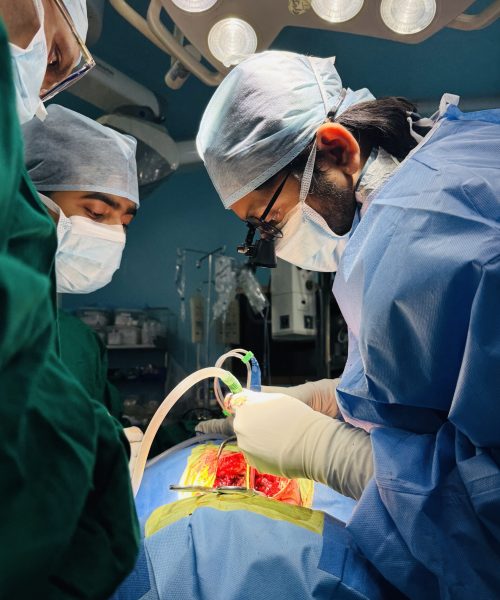
MRI and X-rays to assess spinal compression
Blood tests and anesthesia clearance
Consultation with Dr. Chakraborty for personalized surgical planning
Admission a day before surgery with preoperative counseling
Hospital Stay: 1–2 days for most patients
Neck Collar: Worn for 2–4 weeks depending on the procedure
Pain Management: Minimal, controlled with medication
Work & Activities: Light duties resumed within 2–3 weeks
Physiotherapy: Starts in 2–4 weeks for posture and strength
Follow-up: MRI or X-ray at 1 month and 3 months post-op
A single-level fusion may cause minimal stiffness, but most movement is preserved. Disc replacement can retain motion in eligible patients.
The scar is small, often hidden in a natural skin fold at the front or back of the neck.
In early stages, yes. But if nerves are severely compressed, surgery is the most effective option.
Rarely. With proper rehab and care, most patients enjoy long-term relief.
Contact
Flat No. 003, Ground floor, Block A1, Islam, Jora Mandir, VIP Enclave, Kazi Nazrul Islam Ave, Raghunathpur, Baguihati, Kolkata, West Bengal 700059
Locate Us
© Copyright 2025 Snayu Neuro | Created by AnyDigi
