Minimally Invasive Brain Surgery Through the Nose

Endoscopic Endonasal Skull Base Surgery

Advanced endoscopic techniques for safer skull base tumor removal—no visible scars, faster recovery.

What Is Endoscopic Endonasal Surgery?

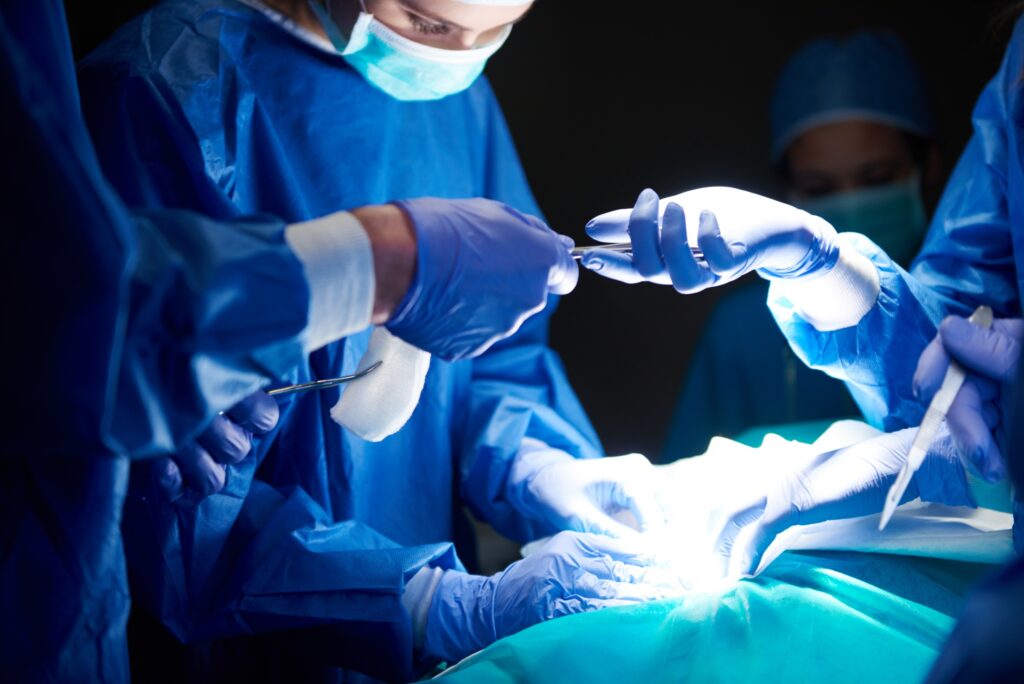
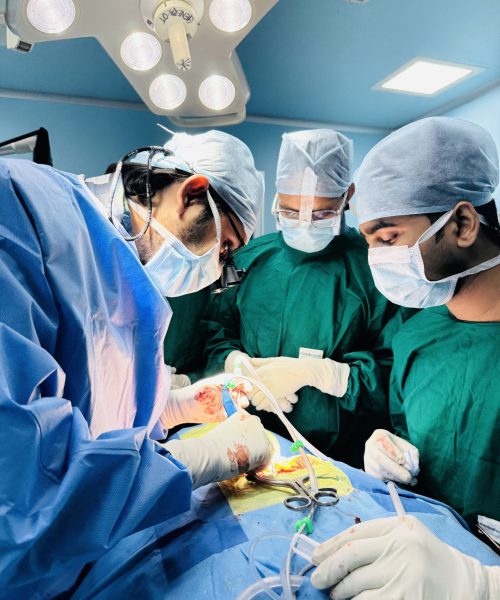
Endoscopic Endonasal Skull Base Surgery (EESBS) is a revolutionary, minimally invasive surgical technique that allows access to the base of the brain through the nasal passages. Without making any external cuts, surgeons can remove tumors or repair skull base defects with precision using a small camera and specialized instruments. This approach is designed to reduce trauma, shorten recovery time, and achieve excellent outcomes with minimal complications.

Who Is It For?

This procedure is ideal for patients with:

  • Pituitary adenomas (secreting and non-secreting)
  • Rathke’s cleft cysts
  • Craniopharyngiomas
  • Meningiomas of the anterior skull base
  • Clival chordomas
  • Sinonasal tumors with skull base extension
  • Cerebrospinal fluid (CSF) leaks.

If you’ve been diagnosed with a skull base tumor or are experiencing unexplained vision problems, hormonal imbalances, or chronic headaches, this approach may be suitable for you.

Conditions We Treat Using Endoscopy

  •  Pituitary Tumors
  •  Craniopharyngiomas
  • Clival Tumors
  • Rathke’s Cleft Cysts
  • Meningiomas (Tuberculum Sellae, Planum Sphenoidale)
  • Sinonasal Tumors with Skull Base Invasion
  • CSF Leaks and Skull Base Defects

Benefits of Endoscopic Surgery

  •  No visible scars or large incisions
  • Faster recovery and shorter hospital stay
  • Minimal disruption to healthy brain tissue
  • Improved vision outcomes (for optic nerve compression cases)
  • Reduced risk of infections and complications

How the Procedure Works:

  1. Pre-Operative Imaging: A combination of MRI and CT scans to map the tumor.

  2. Navigation Setup: Computer-assisted neuronavigation ensures real-time surgical accuracy.

  3. Access Via Nose: Endoscopes are inserted through the nostrils to reach the skull base.

  4. Tumor Resection: Tumor is carefully dissected and removed using precision tools.

  5. Skull Base Reconstruction: If needed, tissue grafts or fat are used to seal defects and prevent CSF leaks.


Before & After: What to Expect

Before Surgery:

  • Hormonal blood tests (if pituitary tumor is suspected)

  • MRI and CT scans for anatomical clarity

  • ENT and anesthesia clearance

After Surgery:

  • Hospital stay: 2–3 days

  • Nasal congestion may persist for 1–2 weeks

  • No nose blowing for 2–3 weeks

  • Regular follow-up with imaging and endocrine tests

  • Return to work: usually 2–4 weeks post-op

Experience the Best in Neurosurgical Care

When you choose Snayu, you're entrusting your health to a team dedicated to excellence in neurosurgery.
Book an appointment today and take the first step toward a healthier, pain-free life.

Frequently Asked Questions

Our state-of-the-art neurosurgical procedures ensure maximum safety, precision, and faster recovery

Will I have scars or a shaved head after surgery?

No. The entire surgery is performed through your nose, leaving no visible scars.

How long will I stay in the hospital?

Most patients are discharged within 2–3 days

Is the surgery painful?

Mild discomfort is expected, mainly nasal congestion. Pain is minimal and manageable.

What if the tumor comes back?

With regular follow-up and imaging, we monitor recurrence. If needed, a second surgery or radiotherapy may be advised.

Dedicated to delivering world-class neurosurgical expertise with compassion, precision, and innovation. Your health, our priority.

Contact

Flat No. 003, Ground floor, Block A1, Islam, Jora Mandir, VIP Enclave, Kazi Nazrul Islam Ave, Raghunathpur, Baguihati, Kolkata, West Bengal 700059

Locate Us

© Copyright 2025 Snayu Neuro | Created by AnyDigi