
Advanced microsurgical and minimally invasive treatment for trigeminal neuralgia and facial pain by Dr. Arijit Chakraborty at Snayu Neuro.


Trigeminal neuralgia (TN) is a chronic pain condition that affects the trigeminal nerve, which carries sensation from the face to the brain. It causes sudden, electric shock-like facial pain, often triggered by simple activities like brushing teeth, eating, or even a breeze. At Snayu Neuro, we offer precise, long-lasting relief through microvascular decompression (MVD) and radiofrequency rhizotomy, tailored to your individual condition and pain pattern.
You may benefit from neurosurgical intervention if:
You suffer from sharp, stabbing facial pain episodes
Pain occurs multiple times a day or is resistant to medication
Medications like carbamazepine cause drowsiness, liver issues, or memory loss
Pain is affecting your eating, sleep, or mental health
You have a confirmed diagnosis of classical or secondary TN by a neurologist
Classical Trigeminal Neuralgia (Type 1)
Atypical Trigeminal Neuralgia (Type 2)
Multiple Sclerosis-Associated TN
Post-Herpetic Facial Pain
Glossopharyngeal Neuralgia (similar surgical approach)
Recurrent TN after prior procedures
Neurosurgical precision with 20+ years of experience in functional pain procedures
Advanced neuronavigation and intraoperative monitoring for MVD
Variety of techniques: from open surgery to needle-based and radiosurgery options
Personalised pain mapping and risk assessment
High success rates with durable relief and low complication rates
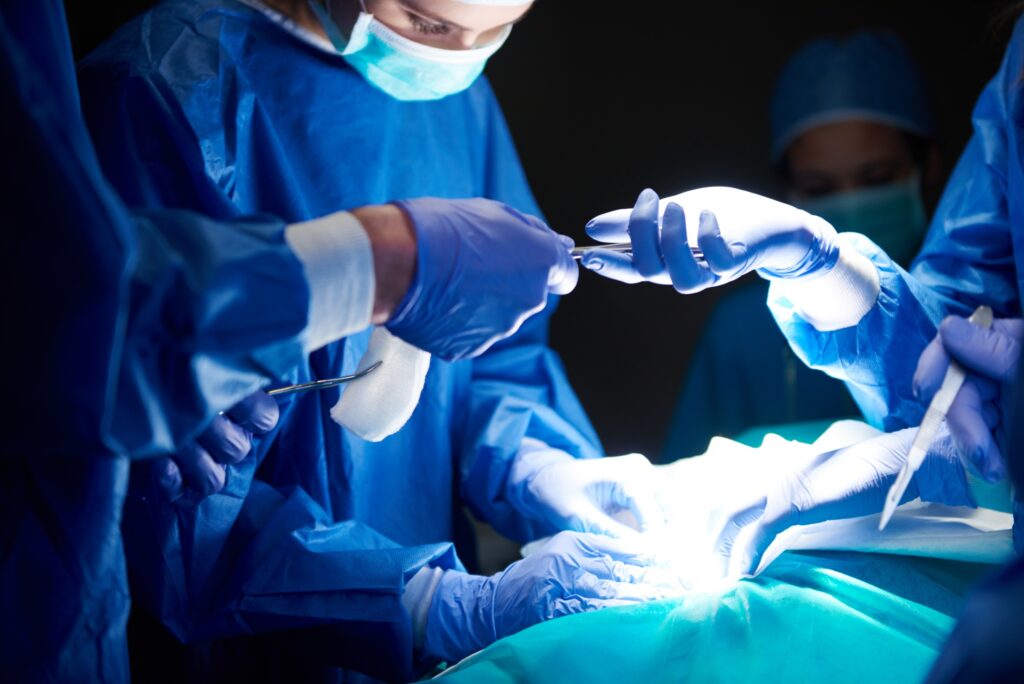
Microvascular Decompression (MVD): A safe and effective open surgery that moves or cushions blood vessels compressing the nerve root
Percutaneous Radiofrequency Rhizotomy: A needle-based procedure using controlled heat to block pain fibers
Balloon Compression: Inflates a balloon briefly near the nerve to damage pain-transmitting fibers
Glycerol Injection: Targets pain fibers chemically via a guided needle
Gamma Knife Radiosurgery (via referral): Non-invasive radiation-based option for select patients
Brain MRI to check for vascular compression or tumors
Facial pain mapping and trigger zone identification
Medical evaluation to assess fitness for anesthesia
Consultation with pain management and neurology teams
MVD Surgery: Hospital stay of 3–4 days; most patients return to light activities within 1 week
Percutaneous Procedures: Day-care or 1-night stay; full recovery in 2–5 days
Pain Relief Timeline: Often immediate for MVD; gradual improvement in other methods
Follow-up: 2 weeks, 1 month, and every 6 months for recurrence check
With surgical treatments like MVD, many patients experience long-term or permanent relief.
Over 80–90% of patients report complete or significant pain relief.
In expert hands like Dr. Chakraborty’s, MVD is safe with minimal complications.
A small percentage may experience recurrence after years; other options are available if that happens.
Contact
Flat No. 003, Ground floor, Block A1, Islam, Jora Mandir, VIP Enclave, Kazi Nazrul Islam Ave, Raghunathpur, Baguihati, Kolkata, West Bengal 700059
Locate Us
© Copyright 2025 Snayu Neuro | Created by AnyDigi
