
Advanced minimally invasive spine tumor surgery at Snayu Neuro—led by Dr. Arijit Chakraborty for safer, faster recovery.
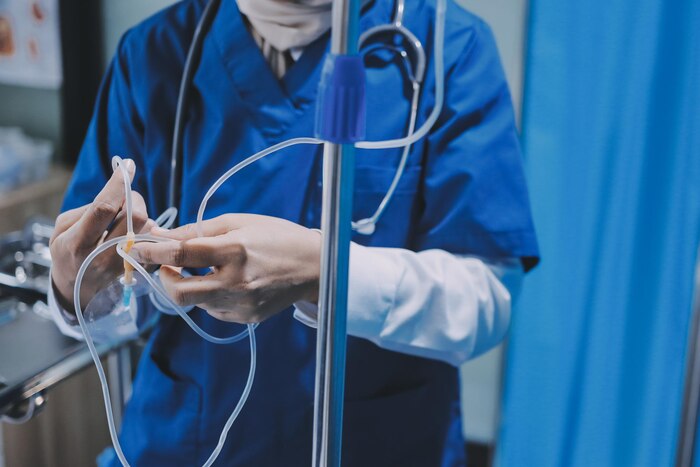
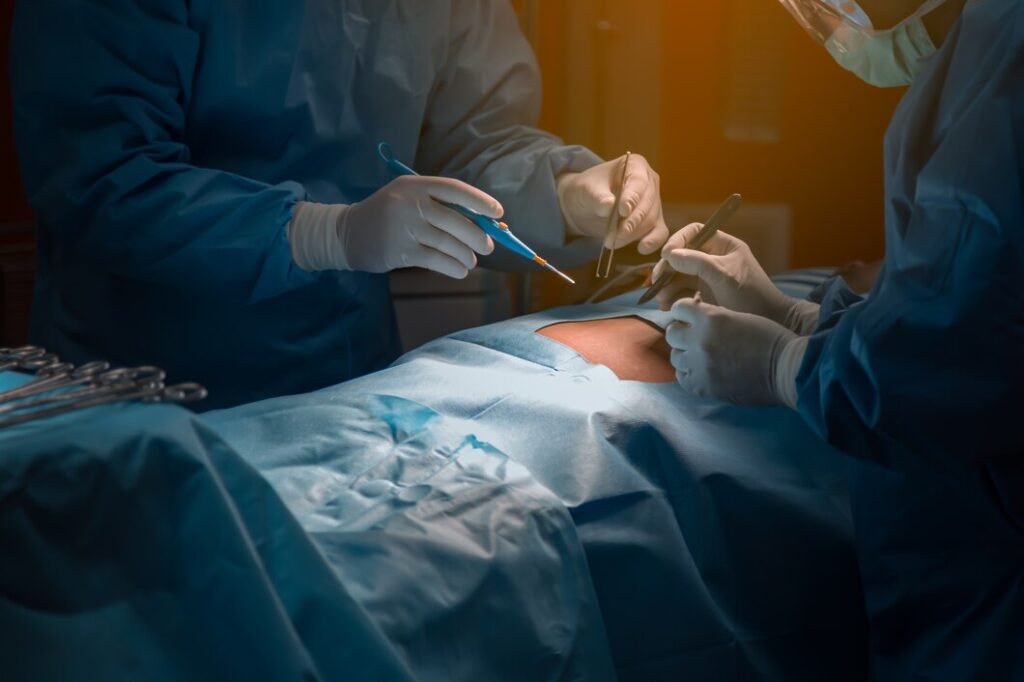
Minimally invasive spine tumor removal is a modern surgical technique that eliminates spinal tumors using small incisions, tubular retractors, and high-powered visualization systems. It is designed to minimize damage to muscles and bones, reduce recovery time, and preserve spinal stability. At Snayu Neuro, Dr. Arijit Chakraborty leads this cutting-edge procedure for both benign and select malignant tumors of the spinal column and spinal cord.
Surgery may be needed if:
You have a spinal tumor diagnosed via MRI or CT scan
You’re experiencing back pain not relieved by rest
There is numbness or weakness in your arms or legs
Loss of bowel or bladder control occurs
Radiological evidence shows spinal cord or nerve compression
Conservative treatments have failed or biopsy suggests malignancy
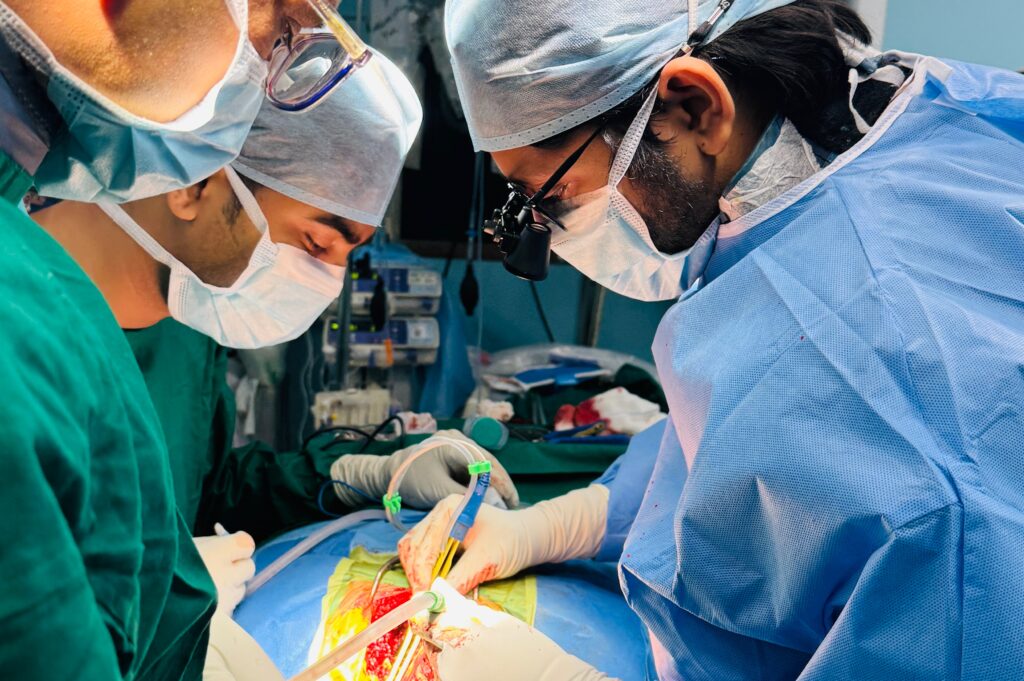
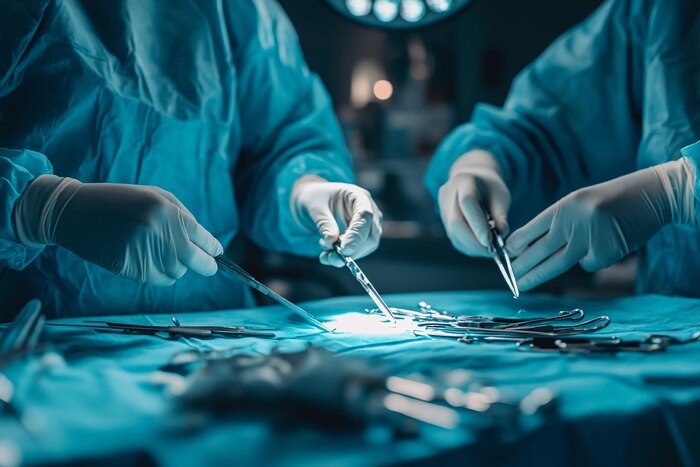
Intradural Extramedullary Tumors (e.g., Schwannomas, Meningiomas)
Intramedullary Tumors (e.g., Ependymomas, Astrocytomas)
Extradural Tumors (e.g., Vertebral Metastases, Myeloma)
Nerve sheath tumors
Vertebral body tumors requiring decompression
Spinal metastasis causing cord compression
Precise tumor targeting
Minimal blood loss and post-op pain
Preservation of healthy bone and muscle
Shorter hospital stay (2–4 days)
Faster return to normal life
Reduced risk of instability or recurrence
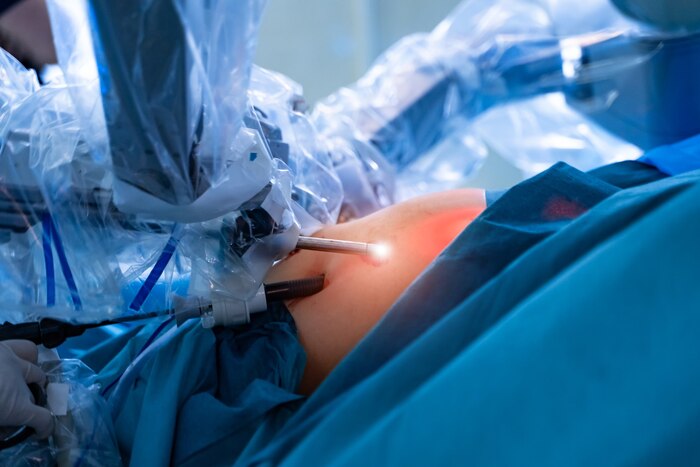
Preoperative Imaging: MRI spine with contrast to localize and define tumor type
Tubular Retractor System: Small pathway created through muscles to reach the tumor
Microsurgical Resection: Tumor removed under high magnification, preserving nerve tissue
Stabilization (if required): Screws/rods used only when the spine is weakened
Post-Op Monitoring: Immediate neurological checks and early mobilization
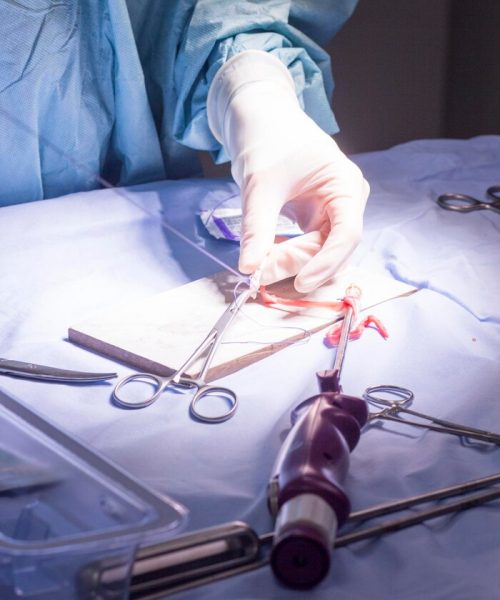
Spine MRI, full body scans if metastasis is suspected
Biopsy and oncological consultation (if malignant)
Neurological exams and pre-op clearance
Discussion with Dr. Chakraborty on risks, goals, and expected recovery
Hospital Stay: 2–4 days
Bed Rest: None in most cases—mobilization starts Day 1
Wound Care: Small incision, heals in 7–10 days
Rehab: Starts in 1–2 weeks (physiotherapy and gait training)
Back to Work: Office work in 3–4 weeks
Follow-up Imaging: At 1 month and 3 months
Most benign tumors are fully removed. Malignant or metastatic tumors may require staged treatments.
In some cases, yes—especially if malignancy is suspected.
If the tumor is malignant, oncological care may be recommended after surgery.
With benign tumors, recurrence is rare after full removal. We provide long-term follow-up.
Contact
Flat No. 003, Ground floor, Block A1, Islam, Jora Mandir, VIP Enclave, Kazi Nazrul Islam Ave, Raghunathpur, Baguihati, Kolkata, West Bengal 700059
Locate Us
© Copyright 2025 Snayu Neuro | Created by AnyDigi
