
Precision-guided treatment of AVMs and brain AV fistulas at Snayu Neuro by Dr. Arijit Chakraborty—using open, endovascular, or hybrid approaches.

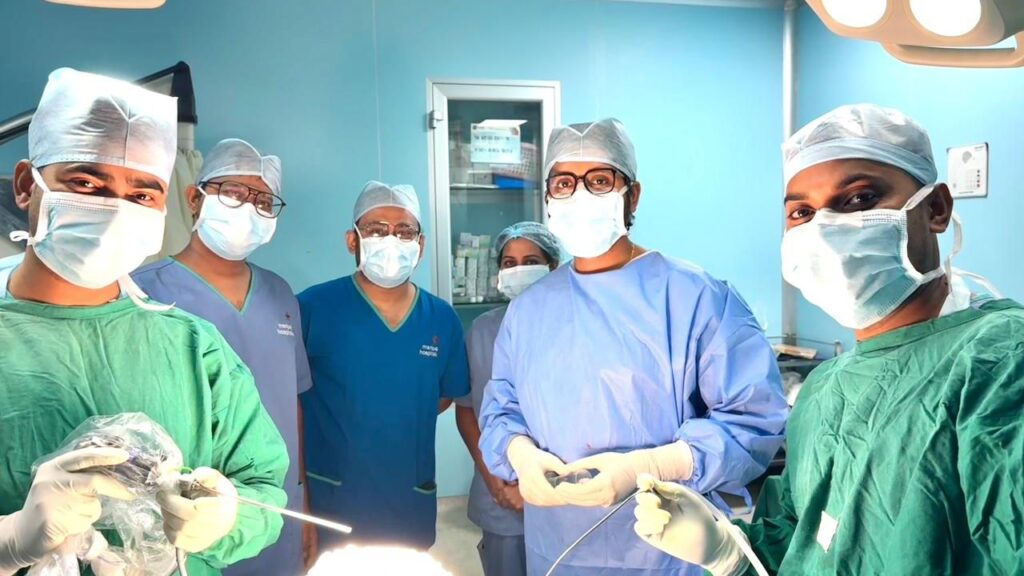
Arteriovenous Malformations (AVMs) are tangled connections between arteries and veins that bypass normal capillary beds. AV Fistulas are direct, abnormal links between arteries and veins, often acquired. These malformations can rupture, causing bleeding in the brain or spinal cord, or cause seizures and neurological deficits.
Patients should seek evaluation if they experience:
Sudden severe headache or brain bleed (ICH/SAH)
Seizures without prior history
Neurological symptoms like weakness or vision loss
Tinnitus (pulsating sound in the ear)
Imaging showing vascular malformation
Repeated unexplained brain bleeds
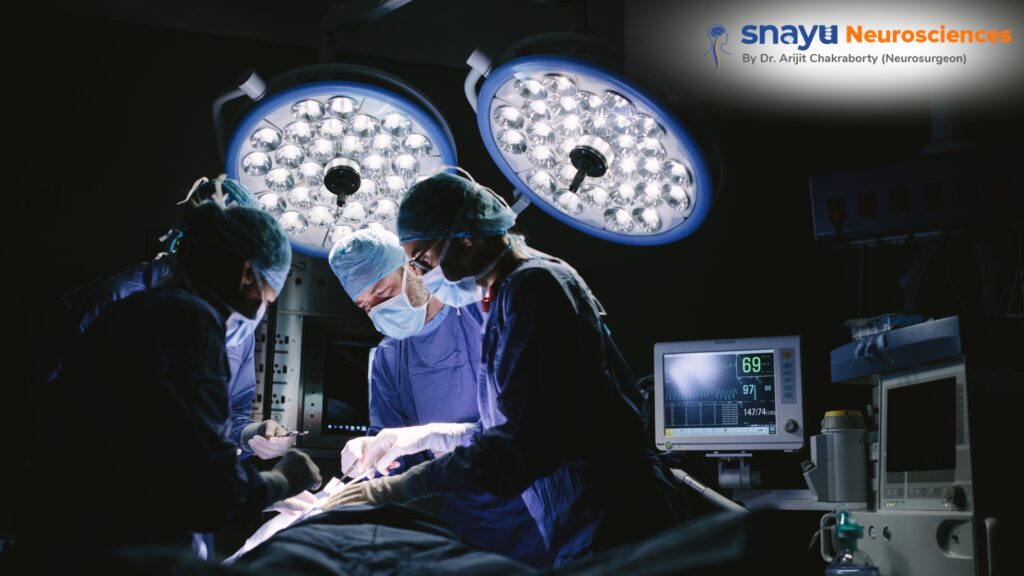
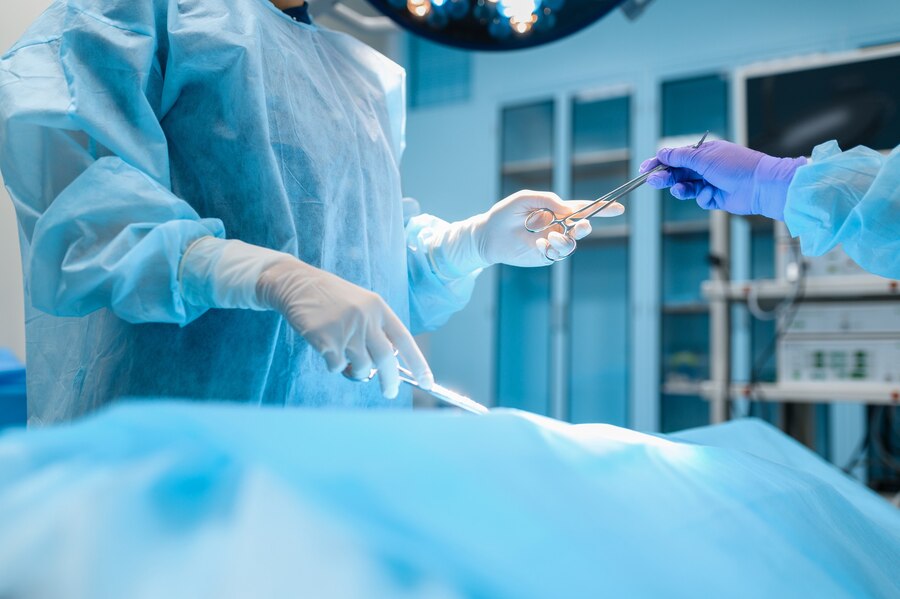
Cerebral AVM (Grade I–V, Spetzler-Martin Classification)
Dural Arteriovenous Fistulas (DAVFs)
Spinal AVMs & Fistulas
Vein of Galen Malformations
Post-traumatic AV Fistulas
Pediatric AVMs
Advanced microvascular and catheter-based intervention in one center
Over 20 years of expertise with complex AVMs and rare vascular cases
Dedicated neuro-ICU and hybrid OR environment
Case-by-case strategy using Spetzler-Martin and Cognard grading systems
Pediatric-safe protocols and follow-up for congenital lesions
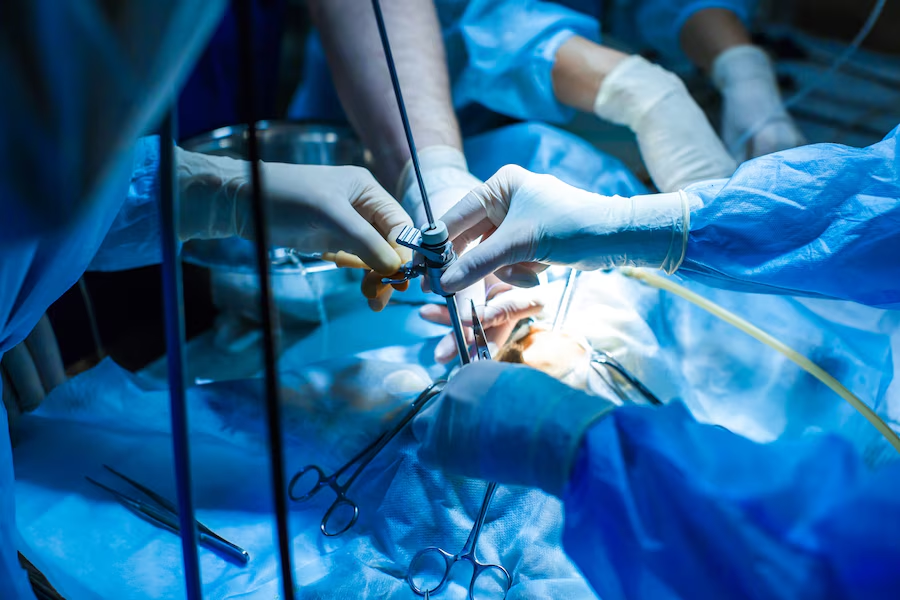
Microsurgical Resection: Ideal for superficial or low-grade AVMs
Endovascular Embolization: Catheter-based glue or coil closure of AVMs/fistulas
Staged Embolization + Surgery: For complex lesions
Radiosurgery (Referral Partner): For small, deep, inoperable AVMs
Hybrid OR Management: Coordinated embolization and resection in one session
Digital Subtraction Angiography (DSA) for detailed vascular mapping
Functional MRI/EEG if seizure history exists
Clinical grading and risk assessment
Family counseling on possible complications and cure probability
Endovascular Embolization: 1–2 day hospital stay
Surgery: 4–6 day stay, depending on lesion site and complexity
ICU Observation: First 24–48 hours
Wound Healing: Within 10–14 days
Neurological Recovery: Ongoing monitoring and rehab as needed
Follow-Up Angiogram: 6 weeks, 6 months, 1 year to ensure complete obliteration
Not all AVMs bleed, but many pose a rupture risk. Decision depends on size, location, and symptoms.
If fully resected or embolized, AVMs can be cured. Long-term angiographic follow-up is still essential.
Radiosurgery or staged endovascular therapy may be safer alternatives.
Dural AV fistulas can bleed or cause brain swelling. Early treatment prevents complications.
Contact
Flat No. 003, Ground floor, Block A1, Islam, Jora Mandir, VIP Enclave, Kazi Nazrul Islam Ave, Raghunathpur, Baguihati, Kolkata, West Bengal 700059
Locate Us
© Copyright 2025 Snayu Neuro | Created by AnyDigi
