
Expert surgical solutions for intractable epilepsy by Dr. Arijit Chakraborty at Snayu Neuro—targeting seizures at their source.
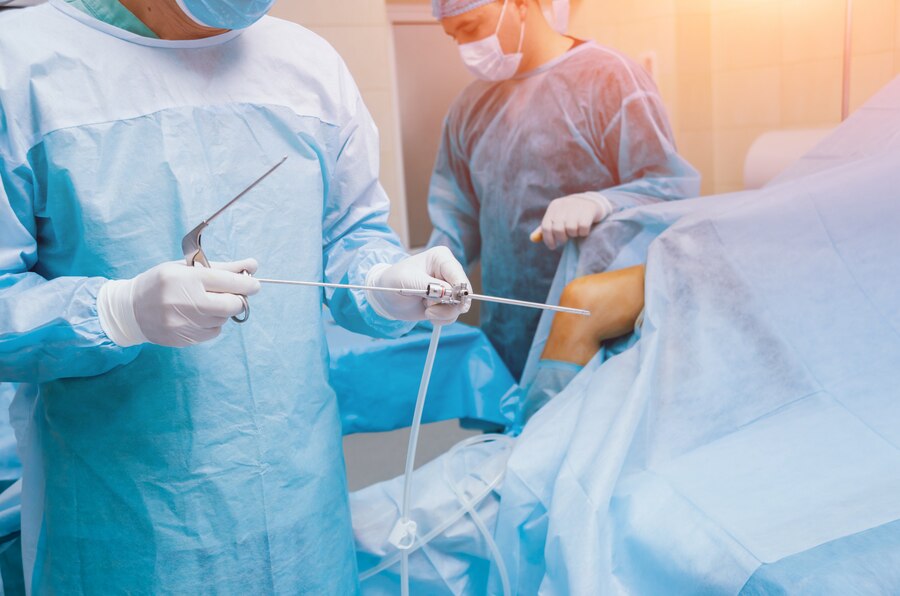
Drug-resistant epilepsy (DRE) refers to seizure disorders that do not respond adequately to two or more anti-seizure medications. These uncontrolled seizures can disrupt education, career, relationships, and mental health. At Snayu Neuro, we offer advanced epilepsy surgery—including focal resection, lobectomy, and laser ablation—based on seizure mapping and brain imaging, aiming for seizure freedom and improved quality of life.
You should consult for surgical options if:
You’ve tried 2 or more medications with little to no control
Seizures interfere with school, work, or daily functioning
You have a single, identifiable seizure focus on imaging/EEG
The epilepsy has started early in childhood and continues into adulthood
You experience frequent falls, blank stares, or loss of awareness
Medications cause side effects like mood swings or memory loss

Temporal Lobe Epilepsy (TLE)
Focal Cortical Dysplasia (FCD)
Post-traumatic Seizures
Tumor-related or Vascular Epilepsy
Infantile Hemispheric Syndromes (e.g. Rasmussen’s Encephalitis)
Seizures after Stroke or Infection
Specialized epilepsy surgery by Dr. Arijit Chakraborty, with deep focus on seizure mapping
In-house video-EEG and multimodal brain imaging coordination
Goal of long-term seizure freedom with minimal cognitive impact
Family-centered counseling and education before and after surgery
Safe, evidence-based protocols adapted for both adults and children.

Anterior Temporal Lobectomy (ATL): For temporal lobe epilepsy
Focal Cortical Resection: For small, MRI-identified seizure zones
Lesionectomy: Removal of tumors, scars, or vascular malformations
Corpus Callosotomy: For drop attacks or generalized seizures
Vagus Nerve Stimulation (VNS) (in select cases)
Stereo-EEG Guided Surgery or Laser Ablation (in future upgrades)
Long-term video-EEG monitoring
High-resolution brain MRI and functional imaging (PET/SPECT)
Neuropsychological testing to map memory and language areas
Seizure focus identification and feasibility review
Multidisciplinary epilepsy board discussion before surgery
Hospital Stay: 4–6 days for most resections
Initial Observation: Seizure frequency tracked post-op
Return to Daily Life: Within 2–4 weeks for most cases
Medication Reduction: Gradual tapering if seizure-free
Follow-up EEG: 3 and 6 months after surgery
Pediatric Support: For school reintegration and behavior guidance
If seizures arise from a single, operable brain region, surgery can result in long-term seizure freedom in 60–80% of cases.
Critical brain functions are preserved using advanced mapping and testing.
Some patients may need medication or minor adjustments. Complete recurrence is uncommon if properly planned.
Yes. Pediatric epilepsy surgery is safe and can prevent developmental delays.
Contact
Flat No. 003, Ground floor, Block A1, Islam, Jora Mandir, VIP Enclave, Kazi Nazrul Islam Ave, Raghunathpur, Baguihati, Kolkata, West Bengal 700059
Locate Us
© Copyright 2025 Snayu Neuro | Created by AnyDigi
