
Expert spasticity surgery and baclofen pump therapy by Dr. Arijit Chakraborty at Snayu Neuro—for patients with cerebral palsy, stroke, spinal cord injury, and more.
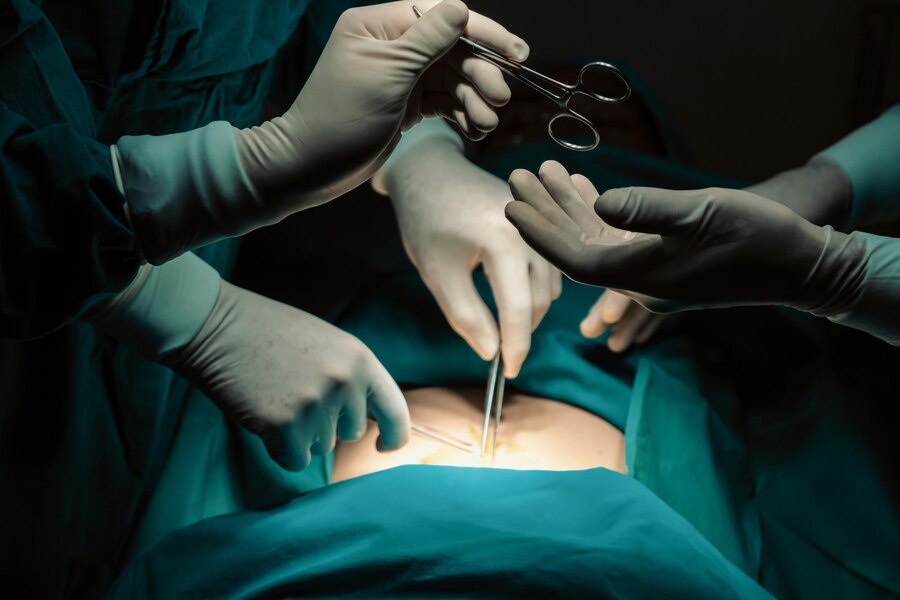
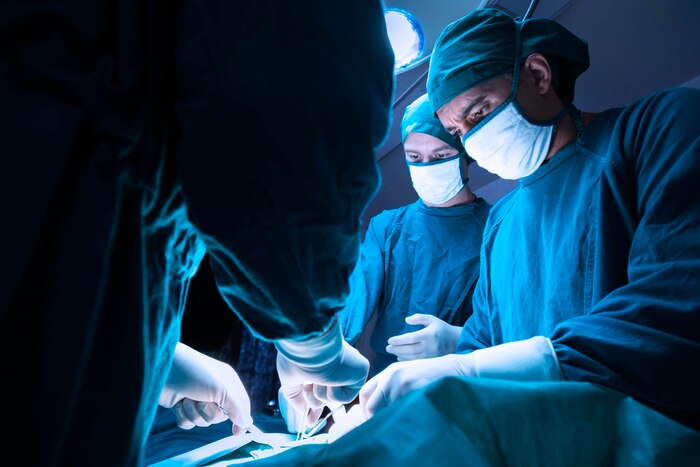
Spasticity is a condition where muscles become stiff, tight, or contracted due to damaged nerve pathways in the brain or spinal cord. It can affect posture, movement, and even hygiene. Spasticity often follows stroke, brain injury, spinal cord injury, multiple sclerosis, or cerebral palsy. At Snayu Neuro, we offer comprehensive management—ranging from conservative therapy to intrathecal baclofen pump (ITB) placement and selective neurotomies—to improve mobility, comfort, and independence.
You should consult a specialist if the patient:
Has stiff or painful limbs after stroke, CP, or trauma
Experiences spasms interfering with daily tasks, walking, or sleeping
Suffers frequent falls, contractures, or pressure sores
Shows poor response to oral medications or physical therapy
Needs long-term wheelchair support due to muscle rigidity
Has been recommended intrathecal therapy by a neurologist or rehab physician
Spasticity due to Cerebral Palsy (CP)
Post-Stroke Hemiplegia or Hemiparesis
Spinal Cord Injury-related stiffness or spasms
Progressive spasticity in Multiple Sclerosis (MS)
Acquired brain injury spasticity
Mixed dystonia and rigidity requiring tailored treatment
Advanced neurosurgical expertise in functional and movement disorders
Personalized treatment plans for pediatric and adult spasticity
Expertise in baclofen pump selection, trial, implantation, and maintenance
Team approach including neurologists, orthopedists, physiatrists, and rehab therapists
Transparent, measurable outcomes to improve quality of life for both patient and caregiver
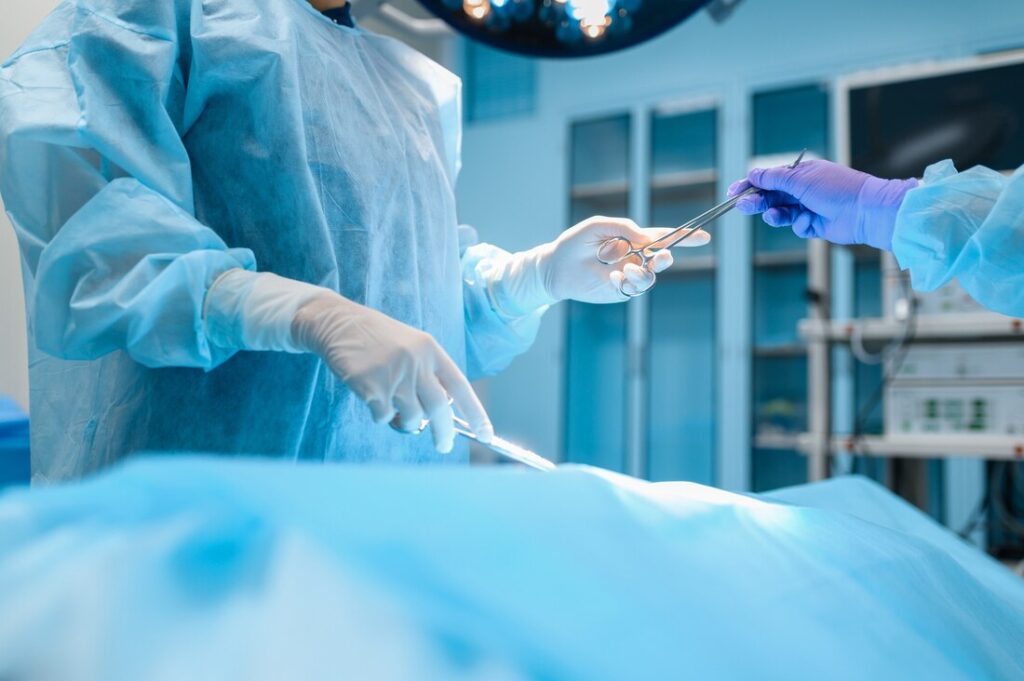
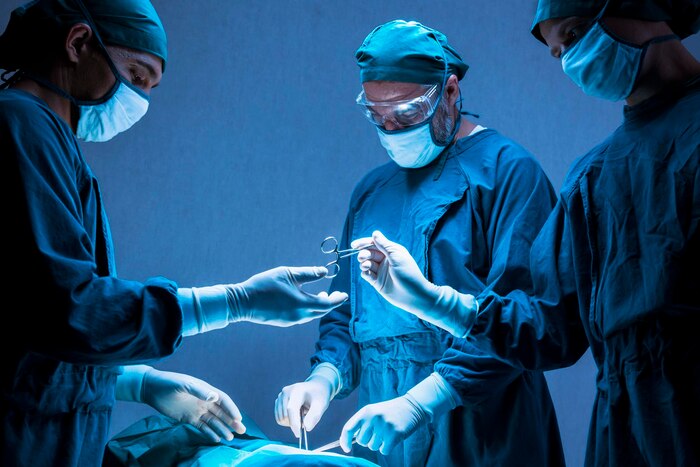
Intrathecal Baclofen Pump Implantation: A programmable device delivers medication directly into the spinal fluid to reduce tone and spasms
Selective Peripheral Neurotomies: Cutting specific overactive nerves to reduce spasticity in targeted muscles
Tendon Lengthening or Orthopedic Release (in coordination with rehab surgeons)
Botulinum Toxin Injections (as initial conservative therapy)
Multidisciplinary Approach with physiatry, rehab, and orthotic support
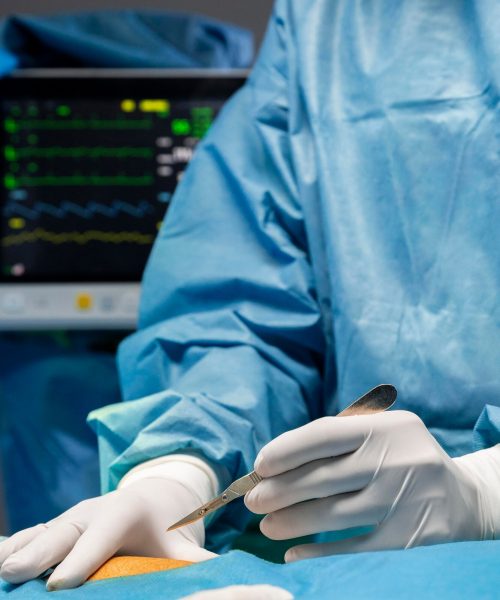
Clinical grading of tone using Modified Ashworth Scale
Spasticity severity and functional goal assessment
Intrathecal baclofen trial dose under monitoring
MRI/CT evaluation if needed for surgical planning
Consultation with physiatrist and neurorehabilitation team
Counseling on expected outcomes and device care
Intrathecal Pump Surgery: 3–4 day hospital stay
Neurotomies: Discharge typically within 2–3 days
Initial Baclofen Pump Programming: Begins 1 week post-op
Physiotherapy: Starts early to optimize movement gains
Pump Refills & Adjustments: Once every 3–6 months
Long-Term Monitoring: For function, complications, and caregiver education
The pump can last 5–7 years and can be replaced. Doses are adjustable as per patient response.
Spasticity is managed, not cured. Surgery or pump therapy aims to reduce tone and improve comfort or function.
Yes. Baclofen pumps and selective neurotomies are safely performed in pediatric patients with severe CP-related spasticity.
No. In fact, it enhances the effectiveness of physiotherapy by relaxing tight muscles.
Contact
Flat No. 003, Ground floor, Block A1, Islam, Jora Mandir, VIP Enclave, Kazi Nazrul Islam Ave, Raghunathpur, Baguihati, Kolkata, West Bengal 700059
Locate Us
© Copyright 2025 Snayu Neuro | Created by AnyDigi
