
Advanced surgical care for traumatic and birth-related brachial plexus injuries by Dr. Arijit Chakraborty at Snayu Neuro.


Spasticity is a condition where muscles become stiff, tight, or contracted due to damaged nerve pathways in the brain or spinal cord. It can affect posture, movement, and even hygiene. Spasticity often follows stroke, brain injury, spinal cord injury, multiple sclerosis, or cerebral palsy. At Snayu Neuro, we offer comprehensive management—ranging from conservative therapy to intrathecal baclofen pump (ITB) placement and selective neurotomies—to improve mobility, comfort, and independence.
You or your loved one may need surgery if:
There’s no improvement in arm function within 3–6 months after injury
A birth injury has caused persistent shoulder or arm weakness
Imaging shows nerve root avulsion or severe injury
Electrical studies (EMG/NCS) show non-recoverable nerve signals
Muscle wasting, joint stiffness, or chronic pain is worsening over time
You’ve been told that “nothing more can be done”
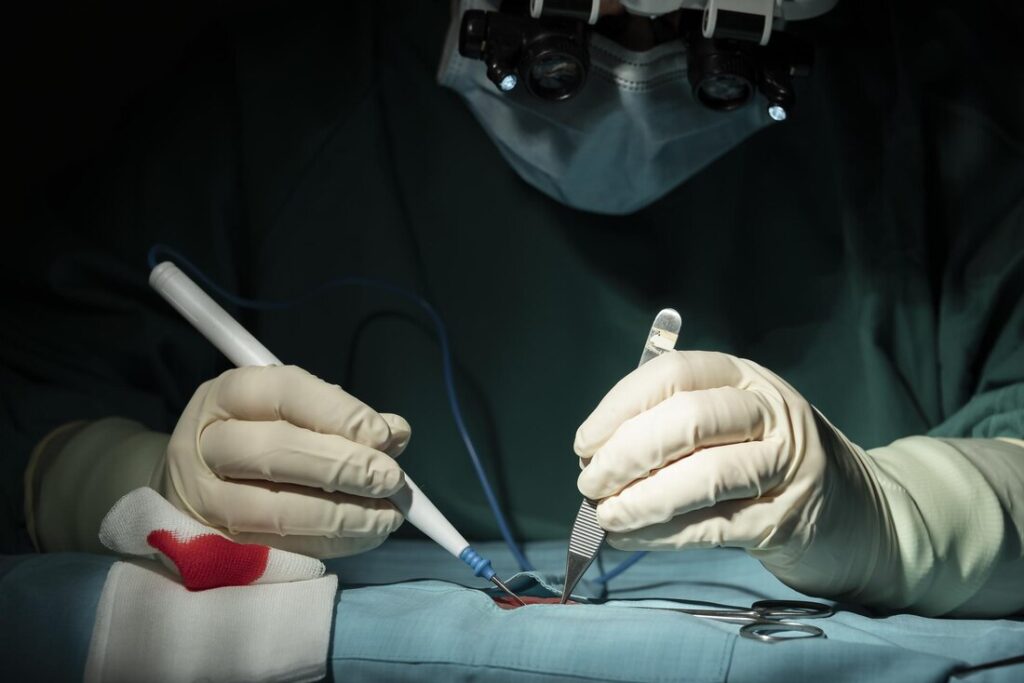
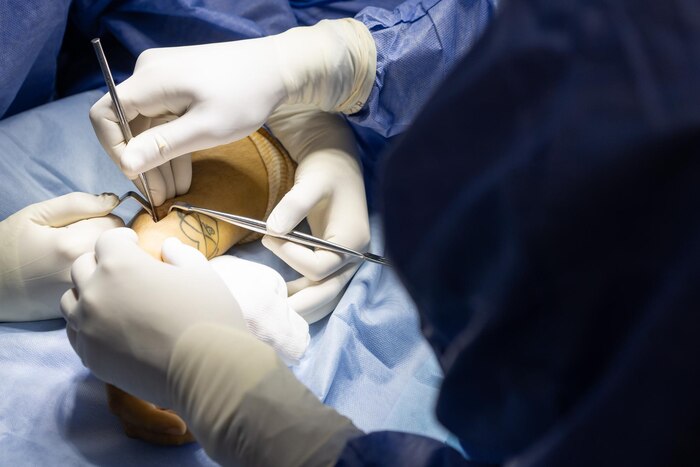
Traumatic upper or lower plexus injuries (e.g. after bike or car accidents)
Root avulsions and postganglionic nerve ruptures
Erb’s palsy or birth-related plexus injuries
Late-presenting or neglected cases
Failed previous repairs requiring re-exploration
Combined nerve, muscle, and joint damage
Dr. Arijit Chakraborty brings specialized training in nerve reconstruction microsurgery
Timely intervention using nerve transfers with high success in functional restoration
In-house neuro-diagnostics and rehab coordination
Personalized approach for both adults and pediatric patients
Dedicated team for long-term physiotherapy support and splinting
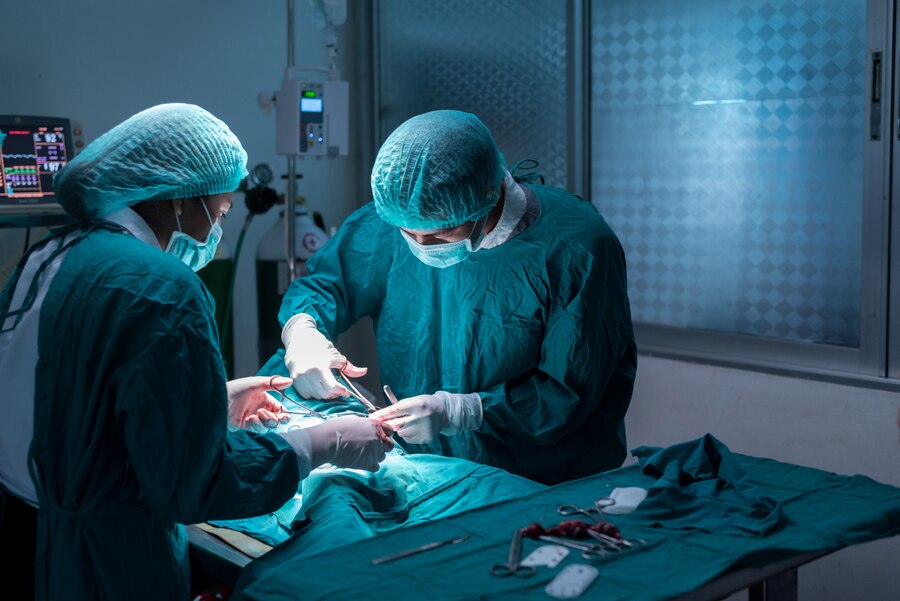
Nerve Transfers: Transferring a nearby healthy nerve to reinnervate a paralyzed muscle (e.g. Oberlin, spinal accessory, intercostal to musculocutaneous)
Nerve Grafting: Bridging nerve gaps using sural or other grafts
Free Functional Muscle Transfers: Using muscle (like gracilis) for major arm movements
Neurolysis or Neurorrhaphy: Decompressing or repairing partially damaged nerves
Reconstructive Tendon Transfers: For improved movement in late-stage cases
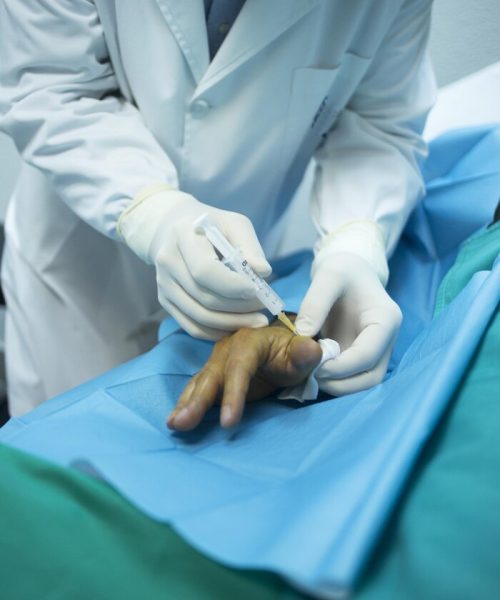
High-resolution MRI or CT Myelogram of the brachial plexus
Electrodiagnostic tests (EMG/NCS) to assess nerve and muscle activity
Physical therapy consultation for joint mobility assessment
Planning session to decide best donor nerves or muscles
Counseling on realistic outcomes, timelines, and rehabilitation
Hospital Stay: 5–7 days post-surgery
Initial Immobilization: 2–3 weeks to protect nerve repairs
Physiotherapy Start: Within 2–4 weeks under guided protocol
Nerve Regeneration Timeline: 3–6 months to notice first movements, 12–18 months for full benefit
Regular Follow-up: Clinical and EMG monitoring every 3 months
Ideally within 3–6 months of injury for best outcomes. Early surgery gives the nerve more time to regenerate.
Recovery depends on injury severity, timing of surgery, and rehab. Many patients regain useful shoulder and elbow function.
No. Children, adults, and elderly patients can benefit if the case is suitable.
Donor nerves are carefully chosen to avoid permanent weakness in other areas.
Contact
Flat No. 003, Ground floor, Block A1, Islam, Jora Mandir, VIP Enclave, Kazi Nazrul Islam Ave, Raghunathpur, Baguihati, Kolkata, West Bengal 700059
Locate Us
© Copyright 2025 Snayu Neuro | Created by AnyDigi
