
Expert surgical management of benign and complex peripheral nerve tumors by Dr. Arijit Chakraborty at Snayu Neuro.

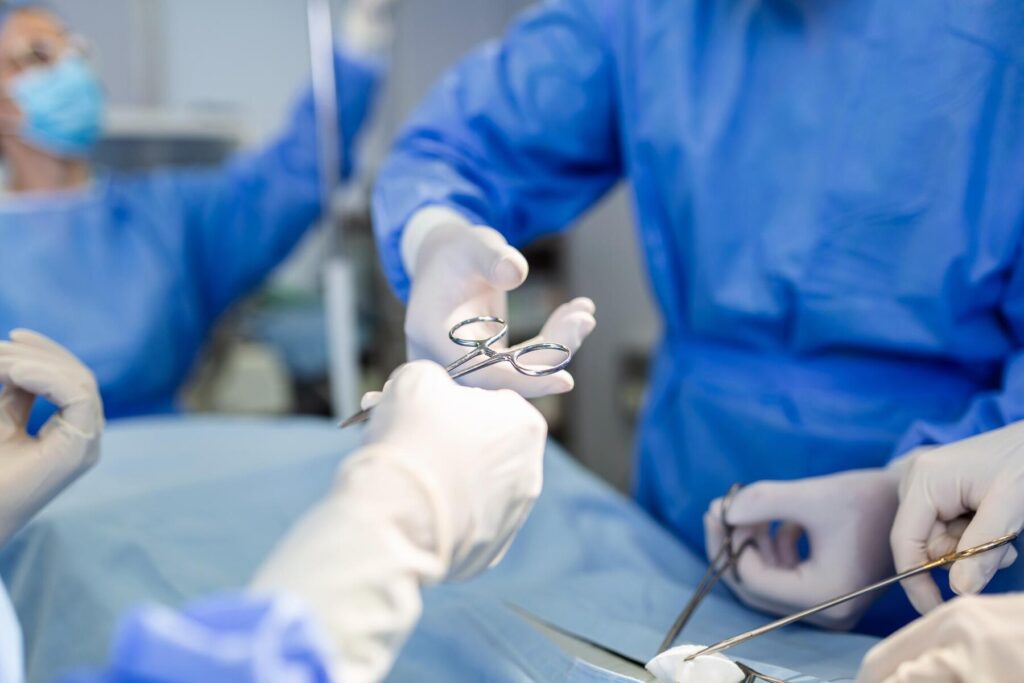
Peripheral nerve tumors are abnormal growths that arise from or compress the nerves outside the brain and spinal cord. Most are benign, such as schwannomas and neurofibromas, but they can cause pain, numbness, tingling, or weakness due to nerve compression. At Snayu Neuro, we specialize in microsurgical excision of these tumors with nerve-sparing techniques, preserving function and ensuring safe outcomes.
You may need surgical evaluation if you have:
A growing or palpable lump near a nerve
Persistent pain, tingling, or numbness in the limb
Weakness or muscle wasting in the affected area
History of neurofibromatosis (NF1/NF2)
MRI/ultrasound showing a well-defined nerve tumor
Prior biopsy confirming schwannoma, neurofibroma, or uncertain pathology
Schwannomas (nerve sheath tumors)
Solitary Neurofibromas
Plexiform Neurofibromas (in NF1)
Malignant Peripheral Nerve Sheath Tumors (in coordination with oncology)
Lipofibromatous Hamartoma and other rare nerve-associated masses
Recurrent or previously incompletely excised nerve tumors
Expertise in nerve-sparing microsurgery by Dr. Arijit Chakraborty
Use of neurophysiological monitoring to reduce risk of nerve injury
High-precision imaging and planning with MRI-ultrasound fusion when needed
Access to pathology, oncology, and genetic counseling (for NF cases)
Proven track record of full tumor removal with minimal post-op deficits
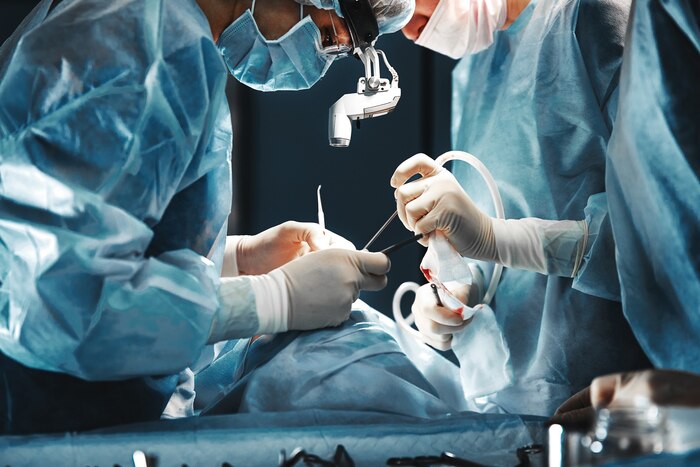
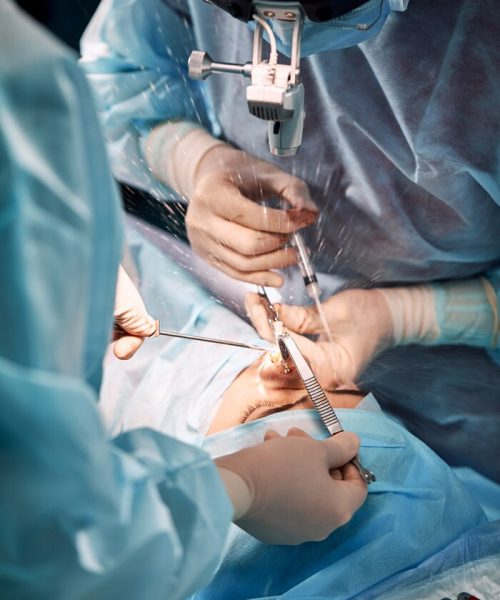
Microsurgical Excision: Tumor is carefully peeled away from nerve fascicles under magnification
Intraoperative Nerve Monitoring: Used to identify and preserve motor and sensory branches
Enucleation for Schwannomas: Tumor removed with minimal disruption to the nerve
Segmental Resection and Grafting: In selected cases where tumor involves the nerve
Scar Revision or Pain Decompression: For post-surgical or trauma-related neuromas
MRI with contrast to evaluate tumor size, nerve involvement, and margins
High-frequency ultrasound for dynamic assessment
Needle biopsy only if essential for diagnosis
Clinical evaluation of motor and sensory deficits
Surgical planning with risks and expected outcomes discussed
Hospital Stay: Day-care or overnight in most cases
Post-op Immobilization: Temporary support if in limb or near joints
Return to Normal Activity: 7–14 days depending on tumor size and location
Nerve Function Monitoring: Follow-up at 1, 3, and 6 months
Physiotherapy: May be needed if there’s preoperative weakness or stiffness
Most are benign and slow-growing. Malignant transformation is rare but possible, especially in NF patients.
With expert microsurgery and monitoring, most patients retain full function.
Often not necessary unless malignancy is suspected. Imaging is usually sufficient for diagnosis.
Rare for schwannomas and solitary neurofibromas if completely excised. Regular follow-up is advised.
Contact
Flat No. 003, Ground floor, Block A1, Islam, Jora Mandir, VIP Enclave, Kazi Nazrul Islam Ave, Raghunathpur, Baguihati, Kolkata, West Bengal 700059
Locate Us
© Copyright 2025 Snayu Neuro | Created by AnyDigi
