
Precision surgical care for nerve entrapment syndromes by Dr. Arijit Chakraborty at Snayu Neuro—restoring hand function, grip strength, and comfort.

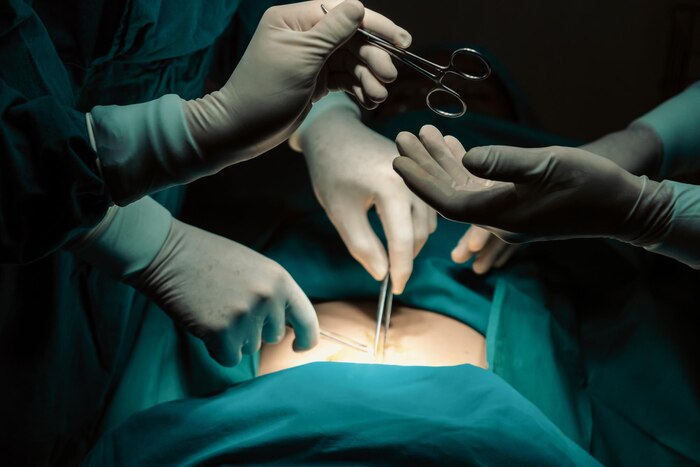
Entrapment neuropathy occurs when a peripheral nerve is compressed or irritated as it passes through narrow anatomical tunnels. This results in tingling, numbness, pain, or weakness, typically in the hands or arms. At Snayu Neuro, we provide expert diagnosis and minimally invasive nerve release surgeries that relieve pressure on the affected nerve, restoring function and preventing permanent damage.
You may benefit from surgical intervention if:
You experience persistent numbness, tingling, or pain in the hands or arms
Symptoms worsen during activities like typing, lifting, or sleeping
There’s muscle weakness or loss of grip strength
Conservative treatments like splints and medications have failed
Nerve conduction studies show significant compression or slowed signal
You have a known diagnosis of carpal tunnel or ulnar nerve entrapment
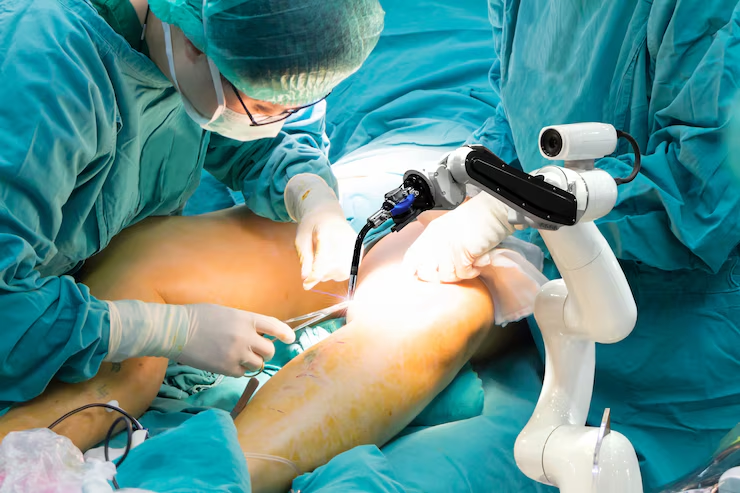
Carpal Tunnel Syndrome (median nerve compression at the wrist)
Cubital Tunnel Syndrome (ulnar nerve compression at the elbow)
Radial Tunnel Syndrome (radial nerve entrapment)
Thoracic Outlet Syndrome (neurovascular compression near the shoulder)
Tarsal Tunnel Syndrome (posterior tibial nerve at the ankle)
Peroneal Nerve Entrapment at the fibular head
Experienced microsurgical technique by Dr. Arijit Chakraborty
Comprehensive diagnosis with EMG/NCS and dynamic ultrasound
Advanced approaches with minimal tissue disruption and faster recovery
Personalized guidance on occupational therapy and ergonomics
Proven results in both routine and revision (failed previous) cases
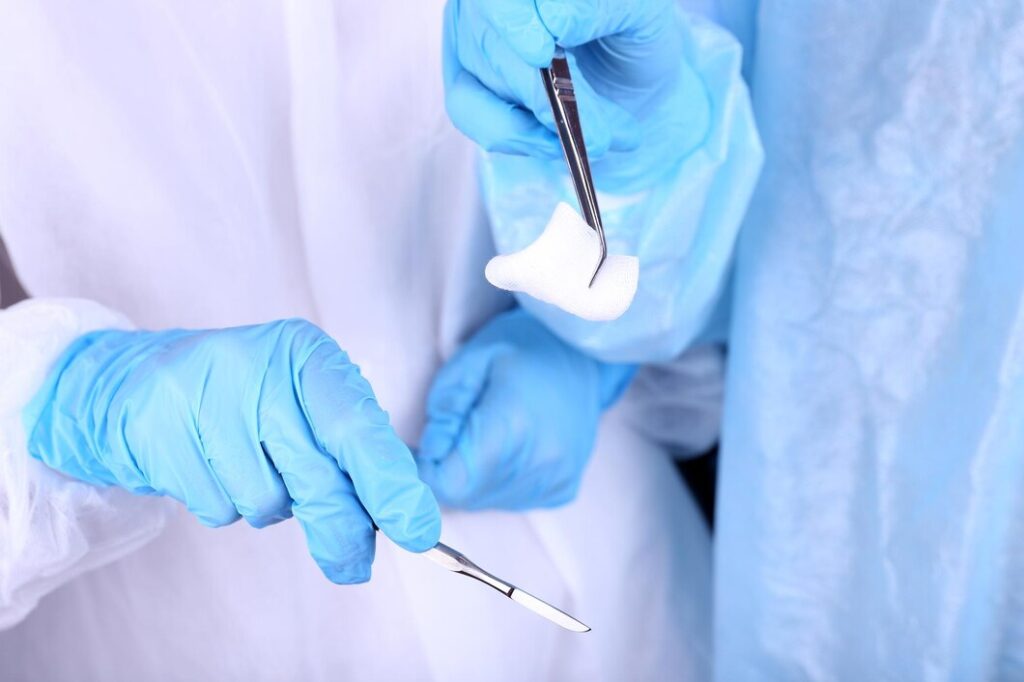
Carpal Tunnel Release: Division of transverse carpal ligament to decompress the median nerve
Ulnar Nerve Decompression/Transposition: Releases pressure at the elbow; may reposition the nerve
Radial Tunnel Release: Surgical release of fascia compressing the radial nerve
Microsurgical Techniques: Performed under magnification for precision
Endoscopic or Mini-Incision Approaches: Where appropriate, for faster recovery and minimal scarring
Detailed neurological examination and Tinel’s/Phalen’s signs
Nerve conduction studies (NCS) and EMG to confirm severity
Ultrasound or MRI for complex or recurrent cases
Discussion of activity modifications and expected recovery
Prehabilitation (in severe cases) to maintain hand mobility
Nerve Grafting: 1–2 days hospital stay, with return of movement over 6–12 months
Cross-Facial Nerve Transfers: Takes longer but allows natural smile restoration
Free Muscle Transfers: 5–7 days stay; physiotherapy starts early
Static Procedures: Minimal stay; immediate improvement in symmetry
Long-Term Rehab: Physiotherapy and facial retraining continue for 12–18 months for optimal results
No. Mild cases respond to wrist splints, posture correction, and medication. Surgery is advised when symptoms persist or worsen.
Yes, in most cases. The sooner the surgery after symptom onset, the better the chance of full recovery.
These are minor, safe procedures with minimal discomfort and fast return to daily life.
We offer evaluation and revision surgery for recurrent or incomplete decompression.
Contact
Flat No. 003, Ground floor, Block A1, Islam, Jora Mandir, VIP Enclave, Kazi Nazrul Islam Ave, Raghunathpur, Baguihati, Kolkata, West Bengal 700059
Locate Us
© Copyright 2025 Snayu Neuro | Created by AnyDigi
