
Advanced surgical treatment for facial nerve paralysis and asymmetry by Dr. Arijit Chakraborty at Snayu Neuro.
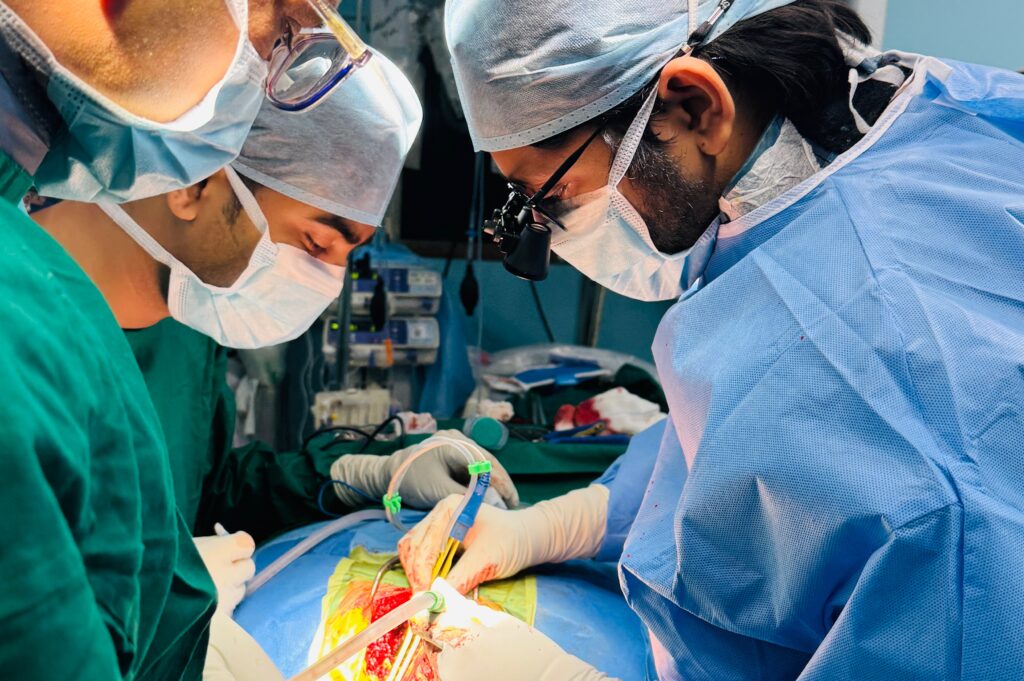
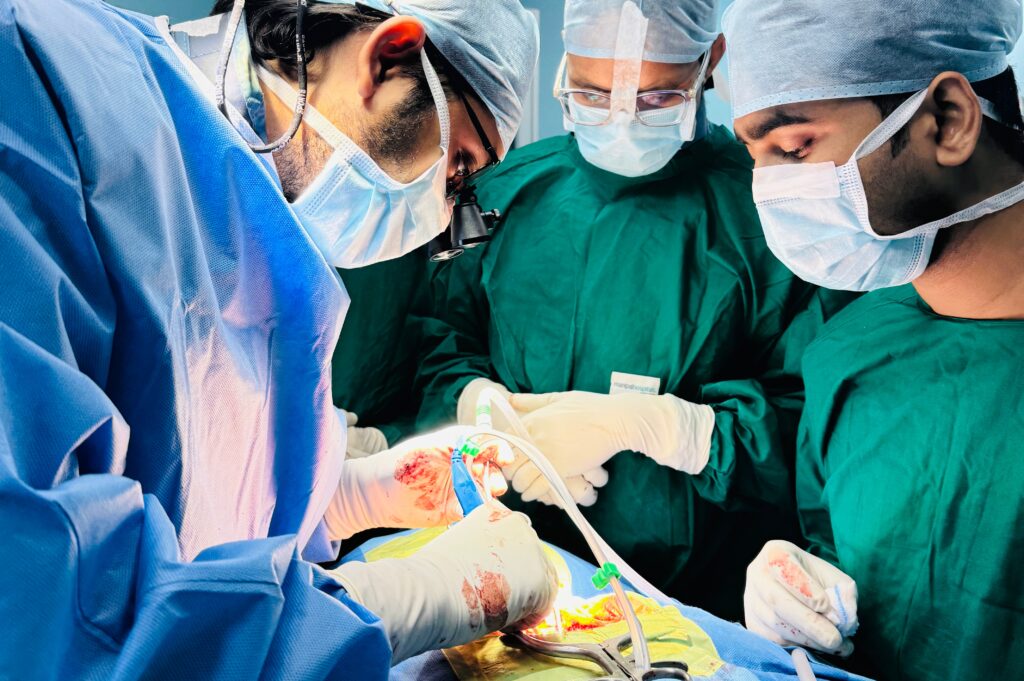
Facial nerve paralysis results in partial or complete loss of movement in the muscles of facial expression. It may occur due to trauma, surgery, tumors, stroke, or Bell’s palsy, leaving the face weak, asymmetrical, or immobile. At Snayu Neuro, we offer specialized facial reanimation procedures, including nerve grafting, cross-facial nerve transfers, and free muscle transfer to help patients regain movement and emotional expressiveness.
You may benefit from surgical intervention if:
There is no improvement in facial movement after 6–9 months post-palsy
The paralysis is long-standing or congenital
There’s facial asymmetry causing functional or emotional distress
You have difficulty closing the eye, smiling, or eating
Previous surgery or trauma caused nerve injury
You’ve been told the damage is irreversible without reconstruction
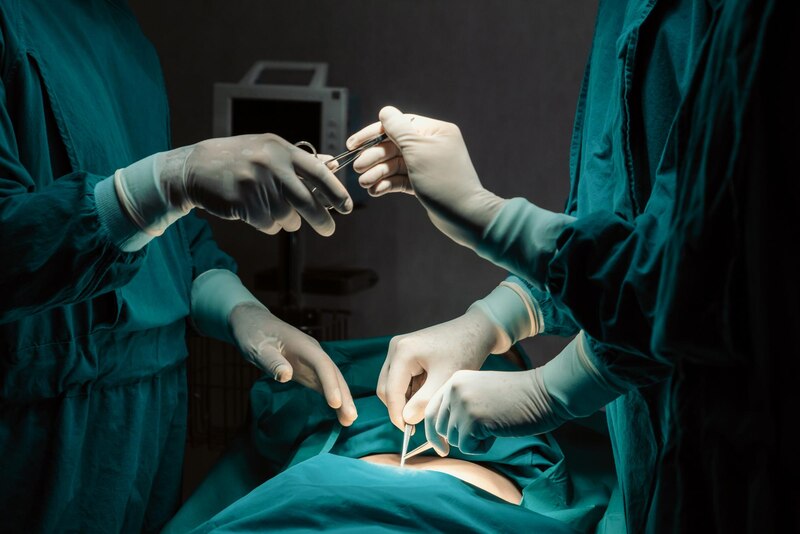
Bell’s Palsy (long-standing or recurrent)
Facial nerve trauma from fractures, accidents, or surgery
Tumor-related facial paralysis (e.g., acoustic neuroma, parotid tumors)
Congenital facial palsy
Iatrogenic injury (following ENT, neurosurgical, or dental procedures)
Hemifacial weakness or asymmetry due to nerve degeneration
Comprehensive surgical solutions by Dr. Arijit Chakraborty, trained in functional and reconstructive neurosurgery
High success rate in restoring dynamic facial expression and symmetry
Personalized treatment plans—tailored to duration, cause, and patient goals
Team-based approach including physiotherapy, psychology, and speech therapy
Ongoing support for long-term recovery and emotional well-being
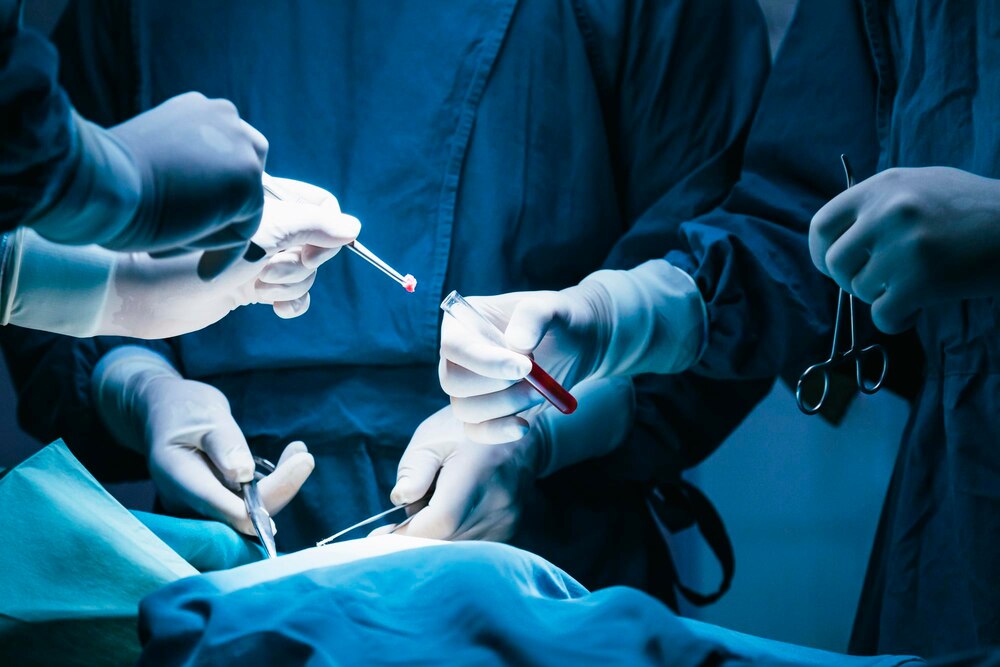
Direct Nerve Repair: If ends are healthy and accessible
Nerve Grafting: Using sural or other donor nerves to bridge gaps
Cross-Facial Nerve Grafting: Healthy facial nerve branches from the opposite side are connected to the paralyzed side
Hypoglossal-Facial or Masseter-Facial Nerve Transfer: Alternative motor sources to power the paralyzed muscles
Free Functional Muscle Transfer (Gracilis Transfer): For longstanding cases with no muscle activity
Static Procedures: Eyelid weights, slings, or fascia grafts to support eye closure and symmetry
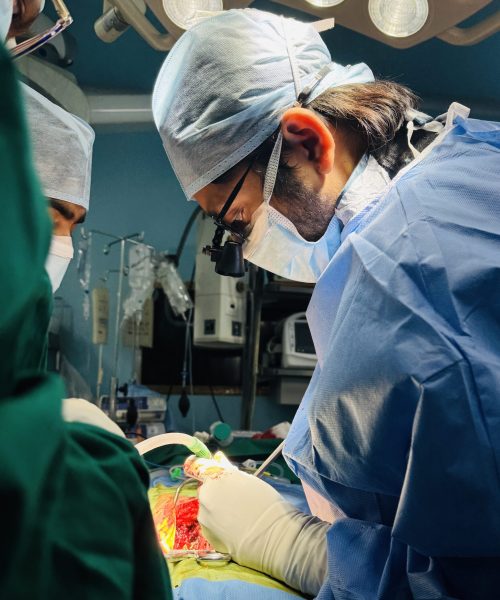
Clinical facial grading using House-Brackmann system
MRI or CT to evaluate nerve continuity and muscle atrophy
Electromyography (EMG) to assess muscle viability
Functional and aesthetic goals discussion with patient
Selection of technique based on duration and severity of paralysis
Carpal Tunnel or Ulnar Release: Day-care procedure, often same-day discharge
Sutures Removal: 10–14 days
Return to Light Activities: Within 1–2 weeks
Strengthening Exercises: Begin by week 3–4 if needed
Full Recovery: Most patients regain full use within 4–6 weeks
Early Relief: Many experience symptom improvement within days
Not always. Timely surgical intervention can significantly restore movement and symmetry.
Ideally within 6–12 months after injury. Earlier intervention often yields better outcomes.
Full symmetry is challenging but significant improvement is possible in both movement and appearance.
Most procedures are well-tolerated with careful planning. Risks are minimal under expert hands.
Contact
Flat No. 003, Ground floor, Block A1, Islam, Jora Mandir, VIP Enclave, Kazi Nazrul Islam Ave, Raghunathpur, Baguihati, Kolkata, West Bengal 700059
Locate Us
© Copyright 2025 Snayu Neuro | Created by AnyDigi
