Our arms do hundreds of movements every day without us even noticing. We lift objects, hold hands, write, drive, cook, and carry out daily activities because of a complex network of nerves working silently in the background. When these nerves get damaged, even simple movements can suddenly become difficult. A person may struggle to lift the shoulder, bend the elbow, hold objects, or feel sensation in the arm. These problems can deeply affect confidence and independence. This is where modern Brachial Plexus Surgery has changed treatment outcomes. Today, advanced nerve repair, microsurgery, rehabilitation, and early intervention are helping many patients recover movement and improve function. At Snayu Neurosciences, under the guidance of Dr Arijit Chakraborty, patients receive personalized care focused on accurate diagnosis, advanced surgical planning, and better long-term recovery.
What is Brachial Plexus Surgery?
The brachial plexus is a group of nerves that starts from the neck and travels into the shoulder, arm, and hand. These nerves control movement and sensation throughout the upper limb. When an injury stretches, compresses, tears, or detaches these nerves, patients may experience weakness, loss of movement, numbness, or severe pain. Surgeons perform Brachial Plexus Surgery to restore communication between nerves and muscles, improve function, and support recovery. The goal is to recover movement, improve strength, reduce pain, and help patients return to daily life. Depending on the severity of injury, surgery may involve repairing damaged nerves, transferring healthy nerves, or reconstructing affected areas.
What Causes Brachial Plexus Injury?
Brachial plexus injuries may happen suddenly or develop because of pressure or disease. Common causes include:
- Road traffic accidents
- Sports injuries
- Falls and trauma
- Birth-related nerve injury
- Tumours pressing on nerves
- Severe stretching injuries
Motorcycle accidents remain one of the most common causes in adults because the shoulder and neck experience strong pulling forces during impact. Some injuries affect only part of the nerve, while severe cases may completely disconnect nerves from the spinal cord.
Symptoms That May Indicate the Need for Brachial Plexus Surgery
The specific nerves involved and the severity of the injury determine the symptoms a patient experiences. Some patients experience mild weakness, while others lose major arm function. Common symptoms include:
- Weakness in the shoulder or arm
- Difficulty lifting objects
- Burning or electric shock pain
- Loss of sensation
- Muscle shrinkage
- Limited hand movement
Many people wait, hoping symptoms will improve naturally. However, prolonged nerve damage can reduce the chances of full recovery. Early assessment improves treatment possibilities.
Understanding Brachial Plexus Surgery in Kolkata and How It Works
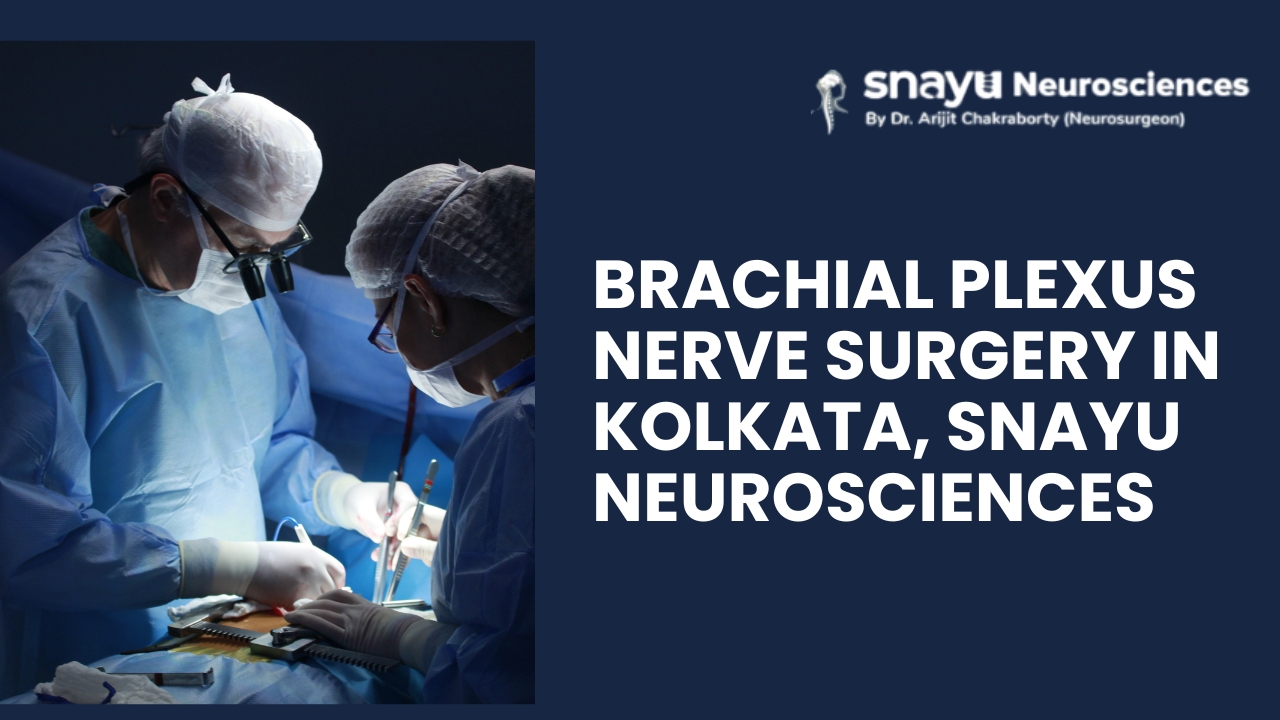
Modern Brachial Plexus Surgery uses advanced microsurgical techniques and specialised instruments to repair damaged nerves and restore movement and function in the arm. The exact procedure depends on the type and severity of the injury. If the nerve remains compressed but intact, surgeons can relieve the pressure around it to improve recovery. When a nerve tears, surgeons may reconnect the damaged ends directly or use nerve grafting to repair the affected section. In more severe cases, surgeons can transfer healthy nerves from nearby areas to restore important arm movements.
The treatment process usually begins with detailed diagnosis and imaging, followed by careful surgical planning, nerve repair or reconstruction, and finally rehabilitation to retrain muscles and improve function. At Snayu Neurosciences, under Dr Arijit Chakraborty, every treatment plan is personalized because every nerve injury is different.
Brachial Plexus Surgery: At a Glance
| Feature | Conservative Treatment | Brachial Plexus Surgery |
| Goal | Symptom control | Nerve restoration |
| Suitable For | Mild injuries | Moderate to severe injuries |
| Procedure | Medicines and therapy | Microsurgical repair |
| Recovery | Variable | Structured rehabilitation |
| Hospital Stay | Minimal | Short monitored stay |
| Long Term Outcome | Depends on severity | Better functional recovery |
Types of Brachial Plexus Surgery
Different patients require different surgical approaches.
- Nerve Repair: When nerve ends remain close enough, surgeons reconnect them directly.
- Nerve Grafting: A healthy nerve segment is used to bridge damaged areas.
- Nerve Transfer: Healthy nerves from nearby muscles are redirected to restore movement.
- Muscle or Tendon Transfer: In long-standing injuries, muscles may need reconstruction to improve arm function.
These techniques are selected based on timing, age, injury severity, and expected outcomes.
What are the Benefits of Brachial Plexus Surgery?
Modern nerve repair has improved recovery significantly. Patients may benefit from:
- Better arm movement
- Improved muscle control
- Reduced pain
- Greater independence
- Improved quality of life
- Better long-term function
Recovery takes patience because nerves regenerate slowly. Many patients continue improving for months after surgery. At Snayu Neurosciences, recovery plans include rehabilitation and regular follow-up to support progress.
Recovery After Brachial Plexus Surgery
Recovery after Brachial Plexus Surgery is usually gradual and requires patience, consistency, and proper rehabilitation. Unlike bones or muscles, nerves heal slowly, so improvement may take time and often continues over several months. After surgery, patients typically begin a structured rehabilitation program under specialist supervision to protect the repaired nerves and help restore movement. Recovery generally starts with healing of the surgical area, followed by gentle movement exercises to prevent stiffness, gradual strength rebuilding, and functional training to help patients return to everyday activities. Some patients may notice early signs of improvement, while others experience progress more gradually. The outcome depends on factors such as the severity of the injury, how early treatment was performed, and active participation in rehabilitation and follow-up care.
Why Snayu Neurosciences is a Trusted Destination for Brachial Plexus Surgery in Kolkata
Treating nerve injuries requires expertise, precision, and long-term support. At Snayu Neurosciences, treatment focuses on understanding each patient’s unique nerve injury and selecting the most suitable solution. Our approach combines advanced imaging, microsurgical techniques, personalised planning, and rehabilitation support. We do not focus only on surgery. We focus on helping patients regain function and confidence.
Conclusion
No one should ignore a brachial plexus injury, especially when weakness, pain, or movement loss continues after an injury. Delaying treatment may reduce recovery potential over time. Modern Brachial Plexus Surgery has transformed outcomes through advanced microsurgical techniques, nerve repair methods, and structured rehabilitation. At Snayu Neurosciences, under the expert guidance of Dr Arijit Chakraborty, patients receive personalised care designed to improve recovery, restore movement, and support better long-term outcomes.
FAQs
- Is every brachial plexus injury treated with surgery?
No. Mild injuries may improve with observation, medicines, and rehabilitation.
- Is Brachial Plexus Surgery painful?
The procedure is performed under anaesthesia, and postoperative discomfort is managed carefully.
- How soon should surgery be considered?
Early evaluation is important because delayed treatment may reduce nerve recovery.
- How long does recovery take?
Recovery varies, but nerve healing often continues for several months.
- Why choose Snayu Neurosciences for Brachial Plexus Surgery?
At Snayu Neurosciences, under Dr Arijit Chakraborty, patients receive advanced Brachial Plexus Surgery with personalised planning, microsurgical expertise, rehabilitation support, and a strong focus on long-term recovery and better functional outcomes.