In order to support the body weight of a human and also protect the spinal cord, which is essential for the proper functioning of the body. The human spine is composed of 33 vertebrae, interspersed with cushioned discs that act as shock absorbers. But for some unfortunate situations, if this disc becomes displaced or even damaged, it gives rise to severe discomfort. When such a condition takes place, the damaged or displaced disc is known as a herniated disc. Thus, to treat this condition, you need the best neuro doctor in Kolkata. Therefore, in this blog, we will delve into the causes, symptoms, and treatments of herniated discs to provide a comprehensive understanding of this common spinal issue. As well as why Snayu is the best place to get effective treatment of this condition.
What is a Herniated Disc?
Dr Arijit Chakraborty of Snayu says that a herniated disc, also known as a slipped or ruptured disc, occurs when the soft, jelly-like center of a spinal disc (the nucleus pulposus) pushes through a tear in the tougher exterior (the annulus fibrosus). This can result in the disc pressing on nearby nerves, leading to pain, numbness, or weakness in the limbs. Herniated discs can occur in any part of the spine, but they are most common in the lower back (lumbar spine) and the neck (cervical spine). According to the best neurologist in Kolkata, there are several factors that are responsible for this condition:
- Age: According to the top 10 neurologist in Kolkata, age is a big factor for this condition to develop. It happens when the spinal discs lose some of their water content, making them less flexible and more prone to tearing or rupturing with even minor strains.
- Repetitive Motion: Certain activities, such as heavy lifting, bending, and twisting. Such motions can place excessive stress on the spinal discs, increasing the risk of herniation.
- Trauma: Sudden injuries, such as those from car accidents or falls, can cause a disc to herniate.
- Genetics: A family history of herniated discs can increase the likelihood of developing the condition.
- Lifestyle Factors: Obesity, smoking, and a sedentary lifestyle can weaken the spinal discs and contribute to herniation.
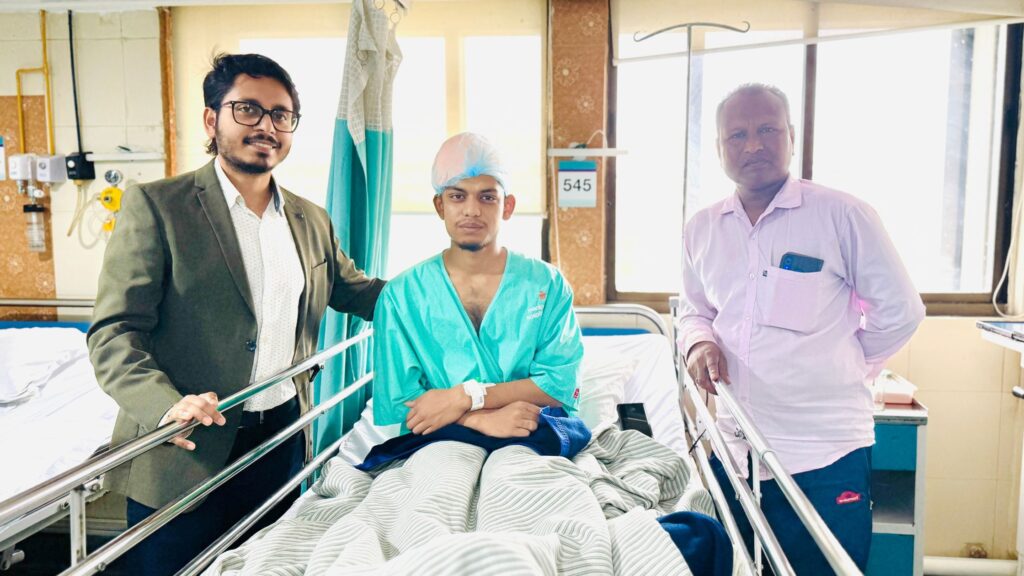
Symptoms of a Herniated Disc According to the Best Neuro Doctor in Kolkata
In the words of the best neurologist in Kolkata, the symptoms of a herniated disc can vary depending on factors like location and, of course, severity of the harniation. To begin with, pain is the obvious and most common symptom. The pain in the patients varies from mild to severe ranges. It typically occurs in the area of the herniation and may radiate to other parts of the body. For example, a herniated disc in the lower back can cause pain that radiates down the legs (sciatica), while a herniated disc in the neck can cause pain that radiates down the arms.
If you are someone who is suffering or if someone you know is, ask them if they are developing numbness and tingling. A herniated disc can compress nearby nerves, leading to numbness or tingling in the affected area. On the other hand, according to the top 10 neurologist in Kolkata, a herniated disc can cause muscle weakness, making it difficult to perform certain movements or tasks. Moreover, this condition also affects reflexes, causing a decrease in response time.
What is Neurosurgery?
Neurosurgery is a complex medical specialty focused on diagnosing and surgically treating disorders of the nervous system, including the brain, spinal cord, peripheral nerves, and their blood supply. India boasts highly skilled neurosurgeons who perform a spectrum of procedures, from minimally invasive techniques like endoscopy to major surgeries like craniotomies and spinal fusions, to address a variety of neurological conditions such as:
- Brain Tumors: Abnormal growths in the brain, either harmless or cancerous, causing symptoms like headaches, seizures, and vision problems.
- Aneurysms: Weak spots in brain blood vessel walls that can burst, leading to dangerous brain bleeding.
- Spinal Cord Injuries: Damage to the spinal cord, often from accidents, resulting in varying degrees of numbness, weakness, or paralysis.
- Epilepsy: A disorder causing repeated seizures due to abnormal brain activity; surgery is sometimes an option when medication doesn’t work.
- Chronic Pain: Severe, ongoing pain like facial pain or back pain, which neurosurgeons can address with procedures like nerve stimulation.
- Herniated Discs: When spinal disc material presses on nerves, causing pain and weakness in the back, neck, or limbs.
- Hydrocephalus: Excess fluid buildup in the brain, leading to pressure and symptoms like headaches and vision issues.
- Traumatic Brain Injuries (TBIs): Brain damage from head injuries, ranging from mild concussions to severe problems.
Diagnosis of a Herniated Disc by the Best Neuro Doctor in Kolkata
The best neurologist in Kolkata says that diagnosing a herniated disc combines both physical examination and imaging testing. In particular, the range of motion, muscle strength and reflexes are assessed by Snayu in the physical examination. Furthermore, we perform specific tests, such as the straight leg raise test, to check for signs of nerve compression.
On the other hand, Imaging tests such as X-rays, MRI (magnetic resonance imaging), or CT (computed tomography) scans are done to provide detailed images of the spine and help confirm the presence and location of a herniated disc. An MRI is particularly useful for visualizing soft tissues, including the spinal discs and nerves. Now, let us look at the non-surgical treatment options:
| Treatment | Procedures |
|---|---|
| Rest and Activity Modification | In the initial stages, it may be necessary to avoid activities that exacerbate the symptoms and allow the spine to heal. However, prolonged bed rest can lead to muscle weakness and stiffness. |
| Medications | Over-the-counter pain relievers, such as ibuprofen or acetaminophen, can help reduce pain and inflammation. In some cases, stronger medications, such as muscle relaxants or opioids, are prescribed for short-term use. |
| Physical Therapy | It is a personalized exercise program to strengthen the muscles supporting the spine, improve flexibility, and alleviate pain. It includes modalities such as heat or cold therapy, ultrasound, and electrical stimulation. |
| Epidural Steroid Injections | In cases of severe pain, corticosteroid injections can be administered directly into the epidural space around the affected nerve. These injections can help reduce inflammation. |
| Chiropractic Care | Spinal manipulations may help alleviate pain and improve spinal alignment. |
| Alternative Therapies | Some patients find relief through alternative treatments such as acupuncture, massage therapy, or yoga. These therapies can help reduce stress, improve circulation, and promote overall well-being. |
What are the Surgical Treatment Carried Out by the Neuro Doctor in Kolkata
Some cases go far enough that they need surgical treatment to offer a better result. The first method we\’ll talk about is the Discectomy surgery, which involves removing the herniated portion of the disc to relieve pressure on the affected nerve. It can be performed as an open surgery or using minimally invasive techniques, which is one of the areas of expertise Dr Arijit Chakrabory excels at. Furthermore, in some cases, herniation is accompanied by spinal stenosis (narrowing of the spinal canal). For this condition, a Laminectomy is performed, where a portion of the vertebrae (the lamina) is removed to create more space for the spinal cord and nerves.
Moreover, to stabilise the spine and prevent any further harniation, spinal fusion treatment is administered. This procedure involves fusing two or more vertebrae together using bone grafts or implants. Lastly, Artificial Disc Replacement is an advanced procedure where the damaged disc is replaced with an artificial disc made of metal or plastic. It aims to maintain spinal mobility while relieving pain and pressure on the nerves.
Best Road to Recovery Tips by Snayu
We know that recovery from surgery for a harniated disc will depend on the severity of the condition and the treatment. Remember, with non-surgical treatment, most patients usually see significant improvements within a few weeks to months. But for severe cases, surgical treatment is the only way, and patients usually take a longer time to recover and may need aid in the healing process. However, the first step to recovery involves limiting weight gain, as additional stress on the spine can increase the risk of herniation.
Furthermore, for better recovery, regular exercise is very effective. Strength training and flexibility exercises can help to keep the spine healthy and resilient. Additionally, instead of lifting heavy objects with your hands, try to do it with your legs to avoid straining your spinal discs. Moreover, maintaining a good posture, whether sitting, standing, or sleeping, can help reduce the strain on the spine and prevent herniation. Most importantly, the patient should absolutely avoid smoking to prevent the reduction of blood flow to spinal discs.
Conclusion
So, now we have finally arrived at the conclusion. Therefore, herniated discs require a delicate surgery process, and for that, you need the best neuro doctor in Kolkata. At Snayu Brain and Spine Care, under the guidance of Dr Arijit Chakraborty. You will get the best treatment and can walk the road to recovery with the tips we have provided.
FAQs
- What are the risk factors for developing a herniated disc?
- Aging, repetitive motion (like heavy lifting), traumatic injuries, genetics, obesity, smoking, and a sedentary lifestyle.
- How long does it take to recover from a herniated disc?
- Recovery varies; conservative treatments may show improvement within weeks to months, while surgical recovery takes longer with physical therapy.
- Are there any exercises I should avoid if I have a herniated disc?
- Avoid high-impact exercises, heavy lifting, and activities involving twisting or bending until advised by a healthcare professional.
- When should I consider surgery for a herniated disc?
- Surgery is considered if conservative treatments fail or if there are significant neurological deficits like severe pain, muscle weakness, or loss of bowel/bladder control. Snayu will guide you based on your condition.